In an increasingly interconnected and technologically advanced world, equipping children with foundational skills in Science, Technology, Engineering, and Mathematics (STEM) is more crucial than ever. STEM toys offer a playful and engaging pathway to introduce these vital concepts, transforming learning into an adventure. Beyond just academic benefits, these toys are powerful tools for nurturing curiosity, problem-solving abilities, and creative thinking from a young age. As you navigate the vast array of options available within the Children’s Gifts category, understanding what makes a STEM toy effective and how to select the right one for your child can make all the difference.
This guide aims to demystify the world of STEM toys, highlighting their profound benefits and providing practical criteria to help you make informed choices. Whether you’re looking for a gift that sparks innovation or a tool to support your child’s developing mind, dive in to discover how to unlock their full potential through the power of play.
What Are STEM Toys and Why Do They Matter?
STEM is an acronym for Science, Technology, Engineering, and Mathematics – four core disciplines that are essential for understanding the modern world and driving innovation. STEM toys are specifically designed to introduce children to these areas through hands-on activities, experimentation, and constructive play. They go beyond mere entertainment, serving as educational instruments that encourage exploration and discovery.
- Science: These toys often involve experimentation, observation, and understanding natural phenomena. Think of chemistry sets, biology kits, or even simple experiments that teach about physics like gravity or motion.
- Technology: While it might conjure images of screens, technology in STEM toys also includes understanding how things work, basic electronics, coding, and robotics. It’s about designing and using tools to solve problems.
- Engineering: This aspect focuses on building, designing, and problem-solving through construction. Building blocks, architectural models, and various construction sets fall into this category, encouraging children to create structures and machines.
- Mathematics: STEM toys incorporate math through puzzles, counting games, pattern recognition, geometry, and logic challenges. They help children develop numerical fluency and logical reasoning skills.
The importance of STEM toys lies in their ability to make abstract concepts tangible and accessible. By engaging with these toys, children learn by doing, which often leads to a deeper understanding and retention of information. They don’t just memorize facts; they apply principles, test hypotheses, and see the immediate results of their actions, fostering a truly active learning experience.
The Transformative Benefits of STEM Play
Beyond the direct academic exposure, STEM toys cultivate a range of crucial cognitive and socio-emotional skills that benefit children throughout their lives.
Fostering Curiosity and Exploration
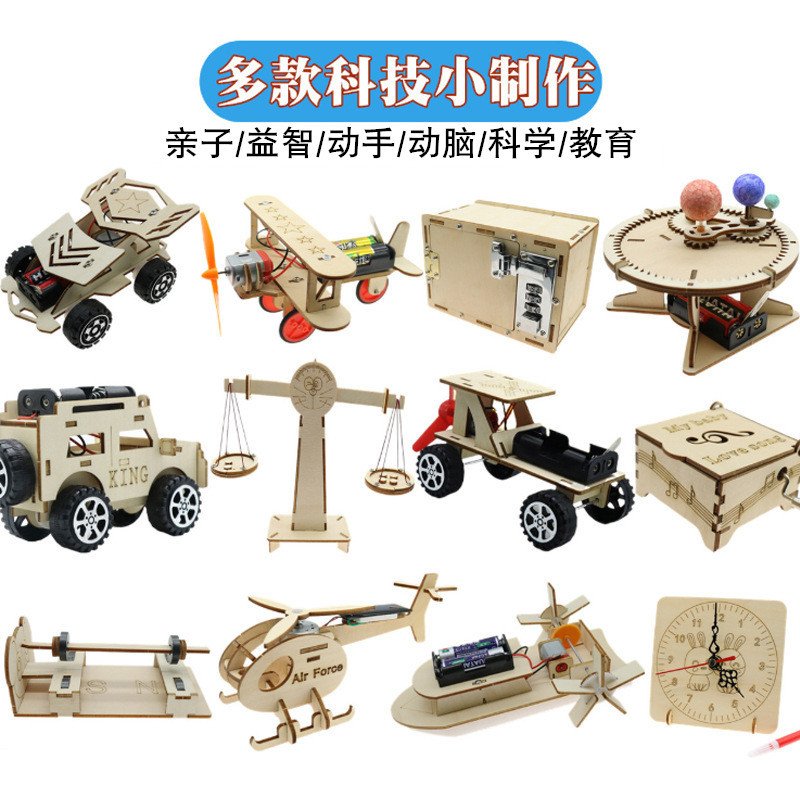
At the heart of scientific discovery is curiosity. STEM toys are designed to pique children’s interest, prompting them to ask “why?” and “how?” A simple Kids Science Experiment Kit – DIY STEM Building Set for Elementary Students, for example, can open up a world of questions about chemical reactions or physical properties, encouraging them to explore and seek answers through experimentation.
Developing Critical Thinking and Problem-Solving Skills
Many STEM toys present challenges that require children to think critically and devise solutions. Whether it’s figuring out why a robot isn’t moving or how to stabilize a tower, children learn to analyze problems, brainstorm solutions, test theories, and iterate until they succeed. This iterative process is fundamental to developing resilient problem-solvers.
Enhancing Creativity and Innovation
While often associated with logic and structure, STEM also thrives on creativity. Engineering and design toys encourage children to imagine new possibilities and build unique creations. They learn that there isn’t always one “right” answer and that innovative solutions often come from thinking outside the box.
Promoting Collaboration and Communication
Many STEM activities lend themselves well to group play. Working with others to build a complex structure, conduct an experiment, or code a simple game teaches children valuable lessons in teamwork, communication, and sharing ideas. They learn to articulate their thoughts, listen to others, and compromise, skills vital for future success in any field.
Building Foundational Knowledge
Early exposure to STEM concepts through play lays a strong foundation for future academic success. Children who engage with these toys often develop a greater affinity for science and math subjects, making transitions to more formal learning environments smoother and more enjoyable. They build a vocabulary and conceptual framework that serves them well as they progress through their education.
Key Considerations When Selecting STEM Toys
Choosing the right STEM toy involves more than just picking something labeled “educational.” Thoughtful selection ensures the toy will be engaging, beneficial, and appropriate for your child.
Age Appropriateness and Developmental Stage
This is paramount for both engagement and safety. A toy that is too complex will lead to frustration, while one that is too simple may quickly lose interest. Always verify the manufacturer’s stated age recommendations on the product page. These guidelines often consider not only the intellectual challenge but also the physical dexterity required and the presence of small parts. For instance, a DIY STEM Building Set for Elementary Students is designed specifically for that age group, providing appropriate challenges without overwhelming them.
Learning Objectives and Interests
Consider what specific skills you wish to nurture or what aspects of STEM your child naturally gravitates towards. Are they fascinated by how things are built (engineering)? Do they love experimenting with different substances (science)? Are they curious about computers (technology)? Matching the toy to their interests significantly increases its likelihood of sustained engagement. A child who loves construction might prefer building kits, while one intrigued by the natural world might benefit more from a science experiment kit.
Durability and Materials
Children’s toys, especially those designed for hands-on interaction and experimentation, need to withstand repeated use. Before purchasing, check the product details on the product page to understand the materials used and the general construction. While we cannot claim a toy is durable, you can look for information that suggests sturdy components that will last through many play sessions.
Open-Ended Play vs. Guided Activities
Some STEM toys are highly structured, offering specific experiments or projects with clear instructions, like many science kits. Others are more open-ended, providing components for free-form construction or imaginative design. Both have their merits. Guided activities can introduce specific concepts and foster following instructions, while open-ended toys encourage creativity and independent problem-solving. A good balance often offers the best of both worlds.
Safety Standards
The safety of any children’s product is a top priority. It is essential to verify any safety certifications, warnings, or specific material information directly on the product description page. Look for details regarding compliance with relevant safety standards to ensure the product meets expectations for safe play. Do not assume a product is safe or non-toxic without explicit verification on its dedicated page.
Educational Value
While all STEM toys are inherently educational, some are better designed to convey specific principles. Does the toy come with an instruction manual that explains the science or engineering behind the activities? Does it encourage deeper understanding rather than just rote assembly? A toy with clear explanations helps children grasp the “why” behind their actions, not just the “how.”
Comparison Criteria for STEM Toys
When you have a few potential STEM toys in mind, applying a set of comparison criteria can help you make the final decision.
- Engagement Factor: Will the toy capture and hold your child’s attention? Consider their personality and current interests. A highly engaging toy will be played with repeatedly.
- Replayability: Can the toy be used in multiple ways or offer new challenges over time? Toys that allow for different experiments, constructions, or coding projects will provide longer-lasting value.
- Complexity Level: Does it match your child’s current abilities while offering a gentle challenge to encourage growth? The ideal toy should be stimulating without being overwhelming.
- Components and Accessories: What’s included in the set? Are all necessary parts provided, or will you need to purchase additional items? For a science kit, this might involve checking if common household items are required.
- Learning Curve: Is the toy intuitive for your child to use independently, or will it consistently require significant adult intervention? While some collaborative play is excellent, independent exploration is also valuable.
- Versatility: Can the toy be integrated with other toys or learning activities your child already enjoys? This can extend its play value and create a richer learning environment.
Examples of STEM Toy Categories
The world of STEM toys is diverse, offering options for every interest and age group. Here are some popular categories:
- Science Kits: These often include tools and materials for chemistry, physics, biology, or geology experiments. An example might be a Kids Science Experiment Kit – DIY STEM Building Set for Elementary Students, designed to introduce basic scientific principles through safe, hands-on activities.
- Building & Engineering Sets: From classic construction blocks to complex gear sets and structural engineering kits, these toys foster spatial reasoning and design thinking.
- Robotics & Coding Kits: Introducing children to programming concepts through playful robots, drones, or coding games that use visual block coding interfaces.
- Electronics Kits: Allowing children to create simple circuits, lights, and sounds, teaching basic electrical engineering principles safely.
- Math Games & Puzzles: Engaging children with numbers, shapes, patterns, and logic in a fun, interactive way, often without them even realizing they’re doing math.
Integrating STEM Toys into Everyday Learning
To maximize the impact of STEM toys, integrate them thoughtfully into your child’s routine. Make learning fun by presenting toys as tools for discovery rather than academic exercises. Encourage independent exploration, allowing children to experiment and make mistakes without fear of judgment. Ask open-ended questions like, “What do you think will happen if…?” or “How could we make this work differently?” This helps them articulate their thought processes and deepen their understanding. Connecting the toy’s concepts to real-world phenomena can also make learning more relatable and exciting, showing them how STEM is all around us.
The journey of fostering a child’s love for STEM is incredibly rewarding. By choosing thoughtfully, you’re not just providing entertainment; you’re investing in their future, equipping them with the critical skills and confidence needed to thrive in a rapidly evolving world. STEM toys are truly powerful Children’s Gifts that continue to give back long after the initial unwrapping.
For more inspiration on finding the perfect present for the young ones in your life, you might also enjoy our guide on Finding Joy: A Christmas Gift Guide for Kids.
Ready to explore the possibilities?
Discover a range of enriching STEM-focused options for children and ignite their passion for discovery. Explore our diverse selection of educational toys to find the perfect match for your child’s burgeoning mind today!
Shop our full collection of children’s gifts and educational products!