
Harnessing Creativity: The Ultimate DIY Project Guide for Kids
In a world increasingly dominated by screens, finding engaging, enriching activities for children at home can sometimes feel like a challenge. Enter the wonderful world of fun DIY projects for kids! These hands-on activities are more than just a way to pass the time; they are powerful tools for fostering creativity, developing crucial skills, and creating lasting memories. Whether you’re looking to spark scientific curiosity, encourage artistic expression, or simply enjoy some quality family time, DIY projects offer a wealth of benefits.
As part of our Children’s Gifts blog category, this guide aims to illuminate the diverse range of projects available and help you navigate the options. We’ll explore various types of DIY kits, delve into the benefits they offer, and provide a comprehensive buying guide to ensure you select the perfect project for your child’s age, interests, and your family’s dynamic.
The Undeniable Benefits of DIY Projects for Children
Engaging in hands-on DIY activities provides a multifaceted learning experience that goes far beyond simply completing a craft. These projects contribute significantly to a child’s development in several key areas:
- Fostering Creativity and Imagination: DIY projects encourage children to think outside the box, experiment with materials, and bring their unique ideas to life. From choosing colors to assembling components, every step is an opportunity for imaginative expression.
- Developing Fine Motor Skills: Activities like cutting, pasting, painting, and assembling small parts are excellent for refining fine motor skills and hand-eye coordination, which are crucial for writing, drawing, and everyday tasks.
- Enhancing Problem-Solving Abilities: Children often encounter small challenges during DIY projects, such as figuring out how pieces fit together or correcting a mistake. This process naturally hones their problem-solving skills, teaching them patience and resilience.
- Boosting Self-Esteem and Confidence: Successfully completing a project, no matter how big or small, gives children a profound sense of accomplishment. They can proudly display their creations, boosting their self-esteem and encouraging them to tackle new challenges.
- Promoting Patience and Focus: Many DIY projects require sustained attention and a step-by-step approach. This helps children develop patience and the ability to focus on a task until it’s complete.
- Encouraging Family Bonding: DIY projects can be wonderful collaborative experiences. Working alongside parents, siblings, or friends strengthens bonds, improves communication, and creates cherished shared memories.
- Reducing Screen Time: Offering an engaging alternative to digital devices, DIY projects provide a healthy balance in a child’s daily routine, encouraging active participation and real-world interaction.
Exploring the World of Fun DIY Projects for Kids
The variety of DIY projects available today is vast, catering to different interests, skill levels, and learning objectives. Let’s look at some popular categories and examples that can bring excitement to your home:
Craft Kits: Unleashing Artistic Expression
Craft kits are a perennial favorite, offering a structured yet creative outlet for children. They often come with all necessary materials and instructions, making them accessible and enjoyable. Projects range from simple sticker crafts to more intricate constructions.
- Simple Sticker & Assembly Crafts: For younger children or those new to DIY, kits like the Wholesale Cartoon Kids Educational DIY EVA Foam Sticker Watch Craft Kit provide an excellent entry point. These kits typically involve peeling and sticking pre-cut foam pieces onto a base, allowing children to create a fun, wearable item while developing hand-eye coordination.
- Seasonal & Decorative Crafts: Holidays are perfect opportunities for themed DIY projects. The DIY Christmas Non-Woven Felt Top Hat Craft Kit for Kids or the DIY Christmas Tree Craft Kit Kids Handmade Tabletop Ornament are fantastic examples. These kits often include felt pieces, embellishments, and instructions for creating festive decorations or wearable accessories, adding a personal touch to holiday celebrations. They can be enjoyed as a family activity leading up to special occasions.
- Larger Construction & Imaginative Play Projects: Some craft kits offer a grander scale, culminating in a toy that children can continue to play with. The DIY Kids Cardboard Playhouse Craft Kit is an excellent example. These projects often involve assembling larger pieces of cardboard, decorating them, and then using the finished product for imaginative role-playing, offering hours of engagement from creation to play.
Science Experiment Kits: Igniting STEM Curiosity
For the naturally curious child, science experiment kits are a gateway to understanding the world around them through hands-on discovery. These kits align with STEM principles (Science, Technology, Engineering, Mathematics) and make learning both interactive and exciting.
- Introduction to Scientific Principles: A Science Experiment Kit for Kids – STEM Gift for Curious Kids can introduce basic concepts in chemistry, physics, or biology through safe, guided experiments. These kits often include various tools and materials to conduct experiments, encouraging observation, prediction, and critical thinking. They are designed to spark an early interest in scientific exploration.
Your Comprehensive Buying Guide: Choosing the Perfect DIY Project
With so many options, selecting the right DIY project can feel overwhelming. This buying guide will walk you through essential criteria to consider, helping you make an informed choice that will bring joy and learning to your child.
1. Consider the Child’s Age and Developmental Stage
This is perhaps the most critical factor. Projects designed for older children might be too complex or frustrating for younger ones, while projects for younger kids might not hold the interest of an older child. Always refer to the manufacturer’s suggested age range on the product page. For example, a simple EVA foam sticker watch kit might be perfect for a preschooler developing fine motor skills, whereas a science experiment kit could engage an older child interested in scientific principles. Always confirm the specific age recommendations on the product listing before purchasing.
2. Match the Project to Your Child’s Interests
A project that aligns with your child’s passions is far more likely to be a hit. Do they love animals, space, building, or drawing? Are they fascinated by how things work? If they’re drawn to imaginative play, a larger project like the Cardboard Playhouse Craft Kit could be ideal. If they’re curious about reactions, a science kit is a strong contender. Tapping into their existing interests ensures sustained engagement and enthusiasm.
3. Evaluate the Required Parental Involvement
Some DIY projects are designed for independent play, while others require significant adult supervision or assistance. Decide how much you want to be involved. If you’re looking for a shared activity, a project that encourages collaboration can be wonderful. If you need something to keep a child occupied independently, opt for a simpler kit with clear, easy-to-follow instructions. Always check the product description for details on assembly difficulty and required tools.
4. Assess the Mess Factor and Clean-up
Let’s be realistic: some projects are messier than others! If you have limited space or prefer minimal clean-up, consider options like sticker crafts or kits with pre-cut, self-adhesive components. For projects involving paints, glues, or liquids, be prepared with protective coverings for surfaces and aprons for clothes. The EVA Foam Sticker Watch Craft Kit will likely produce less mess than a science experiment kit involving liquids, for instance. Read product details to anticipate the potential for mess.
5. Consider Learning Objectives and Skill Development
Are you hoping to develop specific skills? If fine motor skills are a priority, complex cutting and assembly kits are beneficial. For critical thinking and scientific reasoning, a STEM-focused kit would be appropriate. Projects like the Felt Top Hat Craft Kit or the Christmas Tree Craft Kit lean into creativity and following instructions. Identify what you want your child to gain from the experience.
6. Space Requirements and Project Scale
Consider where the project will be undertaken and where the finished product will be stored or displayed. A Cardboard Playhouse requires a significant amount of space for assembly and subsequent play, while a small foam sticker craft can be completed at a kitchen table. Ensure you have adequate space for the activity and for the end result.
7. Project Complexity and Time Commitment
Some projects can be completed in a single sitting, ideal for shorter attention spans or a quick activity. Others, like a large construction project or a multi-step science experiment, might span several hours or even days. Review the estimated completion time if provided on the product page to match it with your family’s schedule and your child’s attention span.
8. Materials and Components
It is essential to review the product listing for details on the materials included in the kit. If there are specific concerns regarding allergies or material preferences (e.g., non-woven felt, cardboard, EVA foam), confirm these details on the individual product page. Never assume any material properties; always verify directly on the product listing.
9. Check for Inclusions and What’s Needed
Most DIY kits are designed to be all-inclusive, but it’s always wise to check the product description to see if you’ll need to supply any additional items, such as scissors, glue, or batteries, that might not be included. This prevents disappointment and delays once you’re ready to start the project. Also, consider browsing our Ultimate Guide to DIY Craft Kits for Beginners for more general insights into what to look for.
Tips for a Successful DIY Project Session
Once you’ve chosen your perfect DIY project, a few simple strategies can enhance the experience for everyone:
- Preparation is Key: Gather all materials, set up a clear workspace, and cover surfaces if necessary before you begin.
- Embrace the Process: Focus on the joy of creating rather than striving for perfection. Encourage experimentation and celebrate effort.
- Be Patient: Allow your child to work at their own pace, offering gentle guidance rather than taking over.
- Celebrate the Achievement: Once complete, display the finished project proudly or use it in play. This reinforces their sense of accomplishment.
- Safety First: Always supervise children, especially with tools or small parts. Ensure the workspace is well-lit and comfortable.
Conclusion
Fun DIY projects for kids at home offer an unparalleled opportunity to blend entertainment with education, fostering creativity, critical thinking, and cherished family moments. From simple sticker crafts that refine fine motor skills to engaging science kits that ignite a passion for STEM, there’s a world of discovery waiting to be explored. By considering your child’s age, interests, and the practical aspects of each kit, you can confidently select a project that promises hours of constructive fun.
Remember, the goal isn’t just about the finished product, but about the journey of creation, the skills learned, and the memories made. For more inspiration on projects that also make thoughtful presents, explore our insights into DIY Gift Ideas for Families.
Ready to Spark Creativity and Learning?
Dive into our diverse collection of engaging DIY projects and craft kits designed for kids of all ages. Explore the possibilities and find the perfect activity to bring joy and discovery into your home today.
Browse Our Full Range of DIY Craft Kits and STEM Gifts for Kids!
Recommended Products
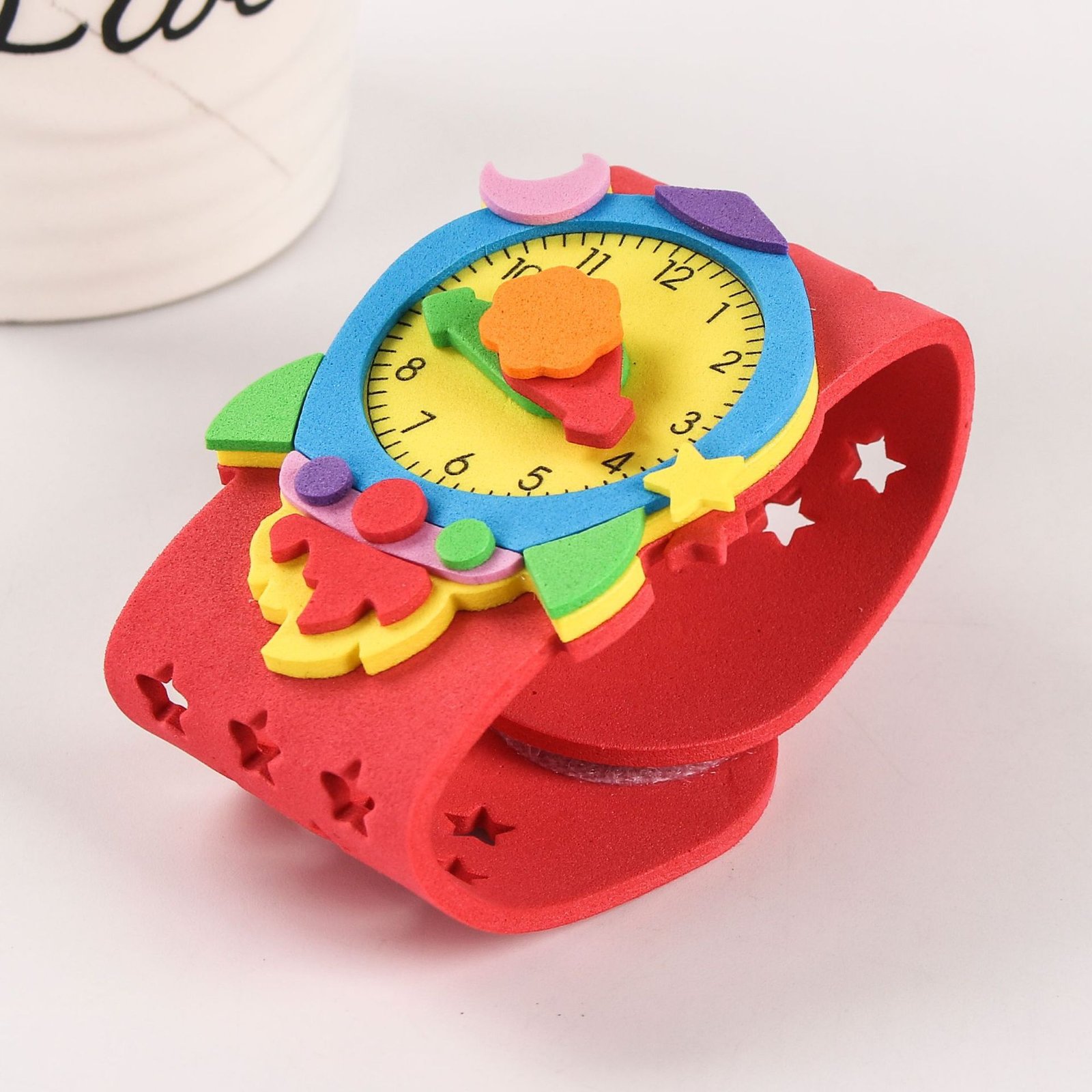
Wholesale Cartoon Kids Educational DIY EVA Foam Sticker Watch Craft Kit
Why choose it: A verified product-page option selected for its relevance to this guide (match score 100/100).
Key features to review: DIY Craft Gifts
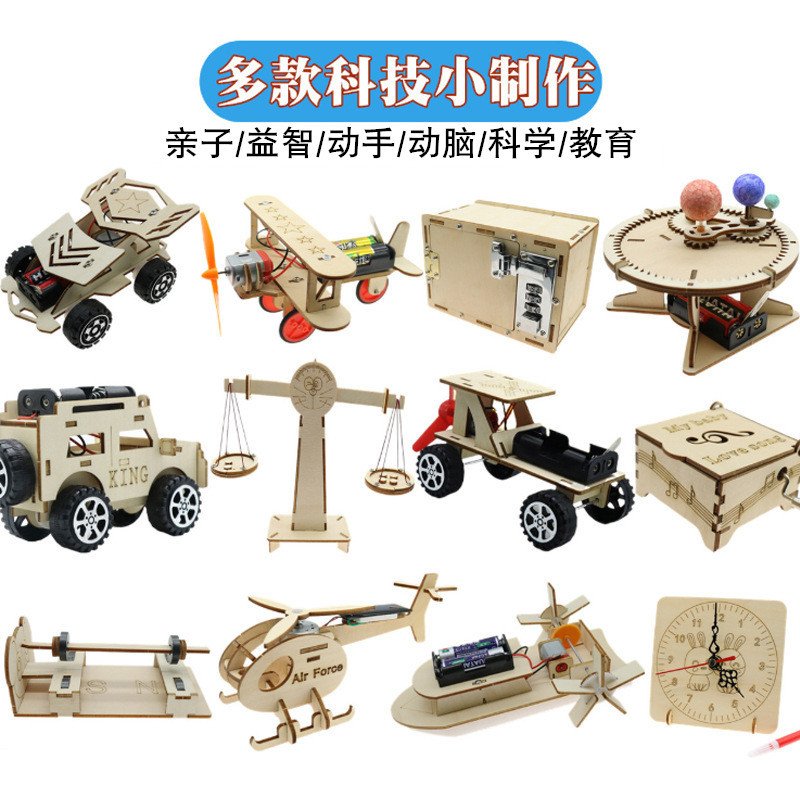
Science Experiment Kit for Kids – STEM Gift for Curious Kids
Why choose it: A verified product-page option selected for its relevance to this guide (match score 100/100).
Key features to review: STEM Gifts
View Science Experiment Kit for Kids – STEM Gift for Curious Kids and verify current details
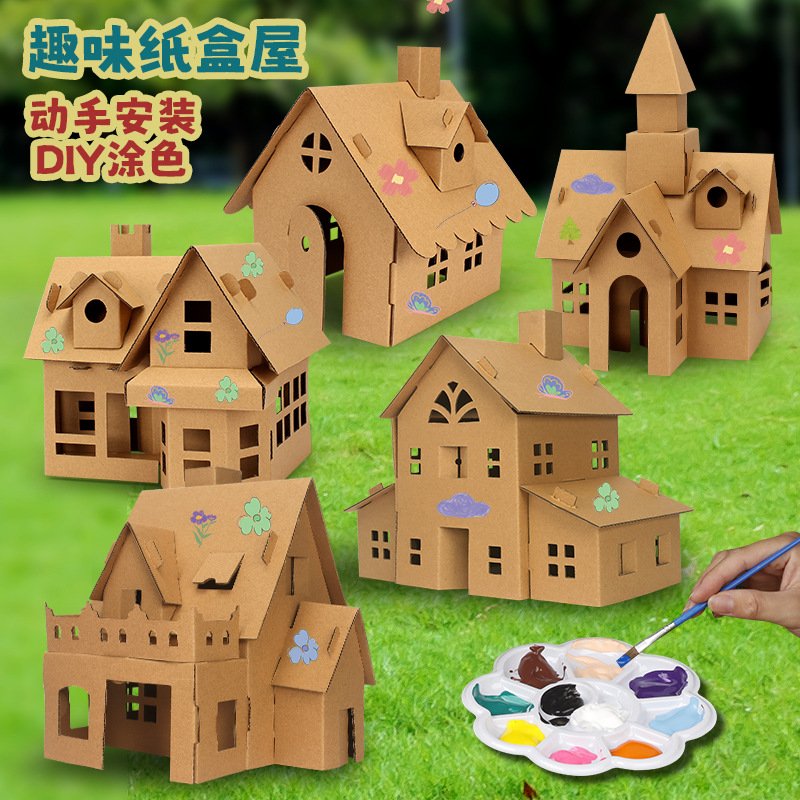
DIY Kids Cardboard Playhouse Craft Kit – Handmade Christmas Paper House…
Why choose it: A verified product-page option selected for its relevance to this guide (match score 80/100).
Key features to review: default
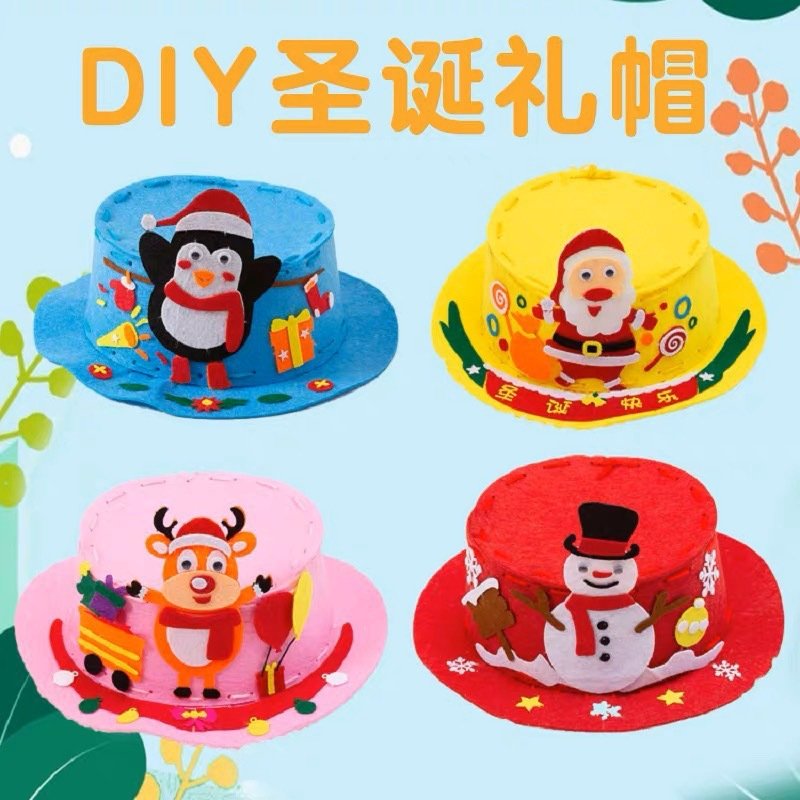
DIY Christmas Non-Woven Felt Top Hat Craft Kit for Kids – Handmade 3D…
Why choose it: A verified product-page option selected for its relevance to this guide (match score 80/100).
Key features to review: default

DIY Christmas Tree Craft Kit Kids Handmade Tabletop Ornament…
Why choose it: A verified product-page option selected for its relevance to this guide (match score 80/100).
Key features to review: default
View DIY Christmas Tree Craft Kit Kids Handmade Tabletop Ornament… and verify current details
Frequently Asked Questions
How do I choose fun DIY projects for kids at home?
Start with the recipient, intended use, product details, and the seller's current availability.
What should I compare before buying fun DIY projects for kids at home?
Compare suitability, product specifications, availability, and the details shown on each verified product page.
Are fun DIY projects for kids at home good gifts?
They can be a thoughtful choice when the product matches the recipient's interests, age, and occasion.