
Empowering Homeschool Learning with STEM Kits
Homeschooling offers a unique opportunity to tailor education to your child’s specific needs and interests. In this personalized learning environment, STEM (Science, Technology, Engineering, and Mathematics) kits have emerged as invaluable tools, transforming abstract concepts into tangible, engaging experiences. These kits are designed to foster critical thinking, problem-solving skills, and a lifelong curiosity about the world around us. This guide will walk you through the process of selecting the ideal STEM kits to enrich your homeschool curriculum, ensuring a stimulating and effective educational journey.
The Value of STEM Education in Homeschooling
Integrating STEM into homeschooling goes beyond just learning facts; it’s about developing a mindset. STEM education encourages children to ask “why” and “how,” to experiment, and to innovate. For homeschoolers, this can mean flexible learning schedules that allow for deep dives into projects, self-paced exploration, and real-world applications of scientific and mathematical principles. High-quality STEM kits provide structured, hands-on activities that complement theoretical learning, making complex subjects accessible and exciting. They help build foundational skills that are crucial for future academic and career success in an increasingly technology-driven world.
Beyond academic benefits, engaging with STEM kits can enhance practical skills such as following instructions, working collaboratively (if learning with siblings or in a co-op), and developing fine motor skills. As a category often found within Children’s Gifts, STEM kits offer the added benefit of making learning feel like play, fostering intrinsic motivation rather than relying solely on traditional textbook methods.
What to Look for in a STEM Kit for Homeschool
Choosing the right STEM kit requires careful consideration of several factors to ensure it aligns with your educational goals and your child’s learning style. Here are key aspects to evaluate:
Age Appropriateness
This is perhaps the most crucial factor. A kit that is too simple may bore an older child, while one that is too complex can lead to frustration for a younger learner. Always check the product page for specific age recommendations. For instance, when considering a Science Experiment Kit for Kids – STEM Gift for Curious Kids, you would want to confirm its suggested age range to ensure it matches your child’s developmental stage and abilities. The goal is to find a kit that offers a suitable level of challenge without being overwhelming.
Subject Focus
STEM is broad, encompassing Science, Technology, Engineering, and Mathematics. Some kits focus on one area (e.g., chemistry experiments, coding robotics), while others integrate multiple disciplines. Consider what subjects you want to emphasize in your curriculum. Do you want to explore the wonders of physical science, delve into basic engineering principles, or introduce fundamental coding concepts? For a general introduction to scientific principles, a kit like the Science Experiment Kit for Kids might be a starting point for curious minds.
Engagement and Reusability
An effective STEM kit keeps children engaged and encourages repeat interaction. Look for kits that offer multiple experiments or projects, allowing for extended learning. Reusability also refers to whether components can be used in different ways or combined with other materials for open-ended exploration. Kits that spark creativity and allow children to design their own experiments or variations of projects often provide the best long-term value.
Parental Involvement Level
Some kits are designed for independent exploration, while others require significant adult supervision and assistance. Consider your availability and comfort level in guiding your child through complex activities. The product description on the kit’s page should provide an indication of the expected parental involvement. For example, some intricate engineering builds might necessitate more hands-on guidance from an adult than a simple craft or experiment setup.
Educational Outcomes
While fun is a vital part of learning, understanding the intended educational outcomes of a kit is important. Does it aim to teach specific scientific principles, develop problem-solving strategies, or introduce a particular technological concept? Verify what skills and knowledge the kit aims to impart by reviewing the product details. It’s important not to assume specific learning outcomes; rather, confirm what is explicitly stated or implied on the product page.
Understanding Different Types of STEM Kits
The market for STEM kits is diverse, offering a wide array of options to suit various interests and learning objectives. Categorizing them can help you narrow down your choices:
- Science Experiment Kits: These kits often focus on chemistry, physics, or biology, allowing children to conduct experiments, observe reactions, and understand scientific phenomena. The Science Experiment Kit for Kids – STEM Gift for Curious Kids is an example of a kit designed to introduce young learners to scientific inquiry through hands-on experimentation.
- Robotics and Coding Kits: These introduce foundational concepts in computer science and engineering, teaching children how to build and program robots or create simple games. They develop logical thinking and computational skills.
- Engineering and Building Kits: These kits challenge children to design, construct, and test structures, machines, or circuits, fostering problem-solving and spatial reasoning.
- Mathematics Kits: Often incorporating games or puzzles, these kits make mathematical concepts more tangible and enjoyable, from geometry to basic arithmetic.
- DIY Craft and Educational Kits: While not always explicitly labeled “STEM,” many educational DIY and craft kits offer opportunities for hands-on learning that can align with STEM principles. For example, a Wholesale Cartoon Kids Educational DIY EVA Foam Sticker Watch Craft Kit, while focusing on craft, still involves following instructions, assembling components, and understanding basic concepts like time (mathematics) and design (engineering). Such kits can be excellent for younger children to develop fine motor skills and sequential thinking, which are foundational for more complex STEM projects.
Practical Comparison Criteria for Homeschool STEM Kits
Once you have a few potential kits in mind, comparing them based on specific criteria will help you make a final decision:
Curriculum Alignment
Consider how well the kit integrates with your existing homeschool curriculum or learning objectives. Does it reinforce a topic you’re currently studying, or does it introduce a new concept in an accessible way? A kit that can be seamlessly woven into your lesson plans will provide the most value.
Kit Contents and Materials
Examine what’s included in the kit. Does it provide all necessary components, or will you need to supply additional items? What are the materials made of? While we cannot make claims about safety or specific material properties, you should always check the product page for details regarding the contents. For instance, when looking at the Wholesale Cartoon Kids Educational DIY EVA Foam Sticker Watch Craft Kit, you would look for information on the types of stickers and foam provided.
Setup and Instructions
Clear, easy-to-follow instructions are essential, especially for independent learners or when parental time is limited. Look for kits with well-illustrated guides or even video tutorials, if available. Overly complicated setups can quickly lead to frustration and disengagement. Verify this information on the product page or by seeking reviews that comment on the instruction clarity.
Room for Creativity and Exploration
The best STEM kits don’t just guide children through a set process; they inspire them to explore beyond the instructions. Does the kit offer suggestions for modifications, further experiments, or open-ended challenges? Kits that encourage children to think creatively and apply what they’ve learned in new ways are often the most impactful for long-term learning.
Value Proposition
While we cannot discuss specific pricing, consider the overall value a kit offers relative to its features and potential for engagement. Does it provide a significant number of activities, high-quality components, or extensive educational content? A kit that offers multiple hours of educational entertainment and learning opportunities often represents better value than a single-use item.
Integrating STEM Kits into Your Homeschool Curriculum
To maximize the benefits of STEM kits, consider these integration strategies:
- Scheduled STEM Days: Dedicate specific days or blocks of time each week or month solely to STEM kit activities.
- Project-Based Learning: Use a STEM kit as the core of a larger project. For example, after completing a science experiment kit, have your child research related topics or present their findings.
- Supplement Core Subjects: Connect kit activities to your lessons in science, math, or even history (e.g., studying historical inventions).
- Encourage Documentation: Have children keep a science journal or engineering notebook to record observations, hypotheses, and results.
- Share and Discuss: Encourage your child to explain their projects and what they’ve learned, fostering communication skills and reinforcing understanding.
For more in-depth recommendations tailored for homeschooling environments, consider exploring our guide on 7 Best STEM Kits for Homeschooling Parents. If your focus is on younger learners, particularly those around seven years old, our article 10 Best Science Kits for 7 Year Olds: Gift Ideas for Curious Kids offers additional insights that might be beneficial.
Conclusion
Selecting the right STEM kits for your homeschool is an investment in your child’s future, fostering a love for discovery and critical thinking. By carefully considering age appropriateness, subject focus, engagement, and practical criteria, you can choose kits that perfectly complement your educational philosophy and inspire endless curiosity. Remember to always verify specific details like age recommendations, contents, and any safety information directly on the product pages to ensure the best fit for your family.
Ready to Empower Your Homeschooler?
Explore our diverse range of educational kits and gifts designed to spark imagination and cultivate essential skills. From hands-on science experiments to engaging DIY crafts, find the perfect tools to enhance your homeschool journey today!
Recommended Products
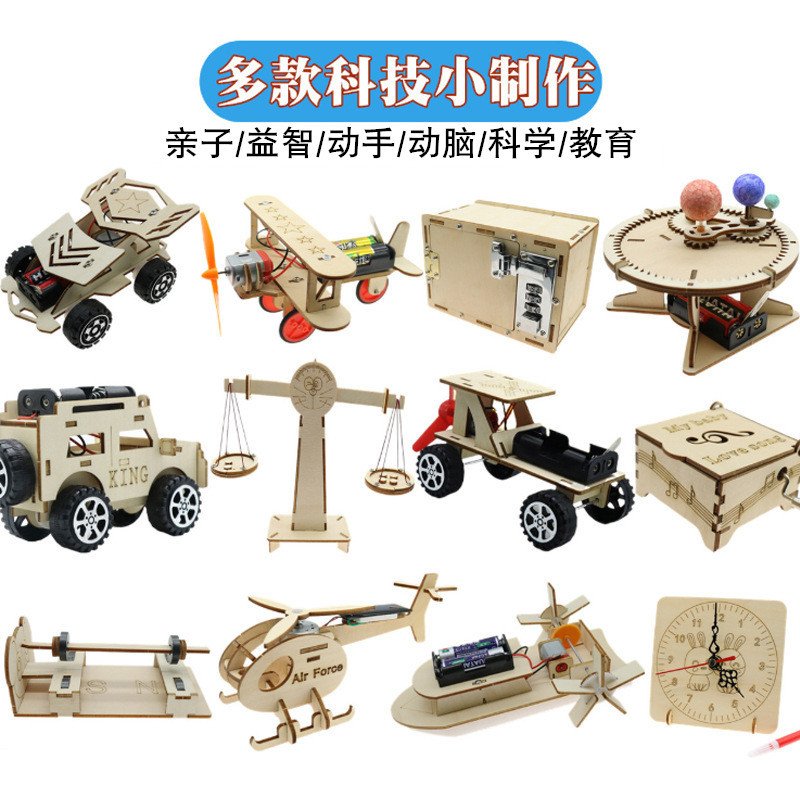
Science Experiment Kit for Kids – STEM Gift for Curious Kids
Why choose it: A verified product-page option selected for its relevance to this guide (match score 88/100).
Key features to review: STEM Gifts
View Science Experiment Kit for Kids – STEM Gift for Curious Kids and verify current details
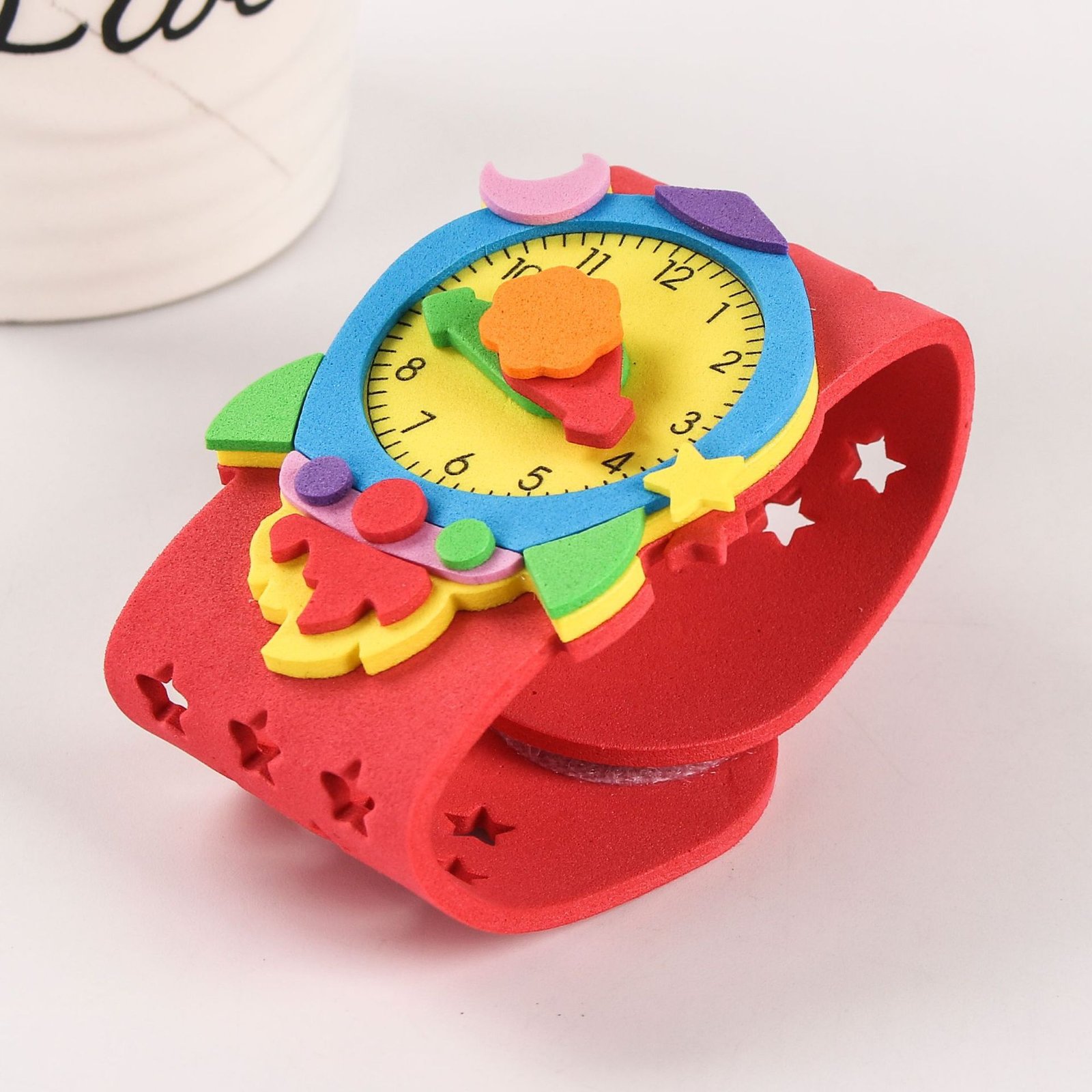
Wholesale Cartoon Kids Educational DIY EVA Foam Sticker Watch Craft Kit
Why choose it: A verified product-page option selected for its relevance to this guide (match score 85/100).
Key features to review: DIY Craft Gifts
Frequently Asked Questions
How do I choose STEM kits for homeschool?
Start with the recipient, intended use, product details, and the seller's current availability.
What should I compare before buying STEM kits for homeschool?
Compare suitability, product specifications, availability, and the details shown on each verified product page.
Are STEM kits for homeschool good gifts?
They can be a thoughtful choice when the product matches the recipient's interests, age, and occasion.