
Choosing a gift for a child is an opportunity to spark joy, curiosity, and a lifelong love of learning. While many presents offer fleeting entertainment, an educational gift can provide lasting benefits, fostering critical thinking, creativity, and the development of essential skills. In the diverse world of Children’s Gifts, selecting an item that truly educates while engaging can feel like a quest. This comprehensive buying guide is designed to help you navigate the options, focusing on practical selection criteria and transparent considerations, ensuring your choice is both thoughtful and impactful.
Our aim is to empower you to make informed decisions that align with a child’s unique interests and developmental stage. From encouraging scientific exploration to nurturing artistic expression, the right educational gift can transform playtime into a powerful learning experience. As you explore the possibilities, remember to always verify specific product details, such as materials, components, and recommended usage, directly on the individual product page before making any purchase.
The Profound Impact of Educational Play
Play is far more than just a pastime for children; it is a fundamental driver of development. Educational play, in particular, offers a structured yet enjoyable pathway to acquiring new knowledge and mastering various skills. When children engage with toys and activities designed with learning in mind, they are not merely memorizing facts but actively developing cognitive, social, emotional, and physical capabilities.
Consider the benefits that extend beyond the immediate moment of interaction. Educational gifts can:
- Foster Critical Thinking and Problem-Solving: Many educational toys present challenges that require logical thought and strategic planning to overcome. This encourages children to analyze situations, devise solutions, and learn from trial and error.
- Spark Curiosity and Exploration: Gifts that introduce scientific concepts, historical facts, or geographical insights can ignite a child’s natural curiosity about the world around them. They encourage asking “why” and “how,” leading to deeper understanding.
- Enhance Creativity and Imagination: Art supplies, building sets, and open-ended play kits provide canvases for children to express themselves, invent stories, and construct new worlds. This nurtures imaginative thinking, an invaluable skill for innovation in later life.
- Develop Fine and Gross Motor Skills: Activities requiring manipulation of small parts, drawing, or constructing large structures contribute to the refinement of fine motor skills and coordination, while outdoor or active learning toys can enhance gross motor development.
- Promote Social and Emotional Growth: Many educational games and activities are designed for collaborative play, teaching children about teamwork, sharing, negotiation, and empathy. Learning to manage frustration and celebrate achievements also builds emotional resilience.
By investing in educational gifts, you’re not just providing entertainment; you’re contributing to a child’s holistic growth and setting a foundation for future academic success and personal well-being. It’s about offering tools that empower them to learn and discover at their own pace, in an engaging and self-directed manner.
Navigating the World of Educational Gifts
The landscape of educational gifts is vast, encompassing a wide array of categories, each designed to cultivate different skills and interests. Understanding these broad categories can help you narrow down your search and identify the type of gift that best suits the child you have in mind. While specific product details should always be checked on their respective pages, here are common types of educational gifts:
STEM (Science, Technology, Engineering, Math) Kits
These gifts are designed to introduce foundational concepts in science, technology, engineering, and mathematics through hands-on experimentation and construction. They encourage logical reasoning, problem-solving, and a systematic approach to learning. Examples include chemistry sets, robotics kits, circuit boards, and engineering challenges. A prime example in this category is the Kids Science Experiment Kit – DIY STEM Building Set for Elementary Students, which provides a structured way for young learners to engage with scientific principles and develop their building skills.
Art and Craft Supplies
Fostering creativity, imagination, and fine motor skills, art and craft supplies offer an open-ended avenue for self-expression. These can range from drawing and painting sets to modeling clay, craft kits, and stamping activities. They allow children to explore colors, textures, and forms, turning ideas into tangible creations. The 10-Pack Halloween & Christmas Cartoon Round Stamps Set with 5-Color Inkpad, for example, can encourage imaginative play, storytelling in handbooks, and creative decoration, thereby supporting artistic development and fine motor coordination.
Building and Construction Toys
From simple blocks to intricate interlocking systems, these toys challenge children to design, construct, and understand spatial relationships. They promote spatial reasoning, planning, and perseverance as children work to bring their structural visions to life. Such toys often involve understanding balance, gravity, and structural integrity.
Puzzles and Logic Games
Puzzles and games that require strategic thinking, pattern recognition, and problem-solving are excellent for cognitive development. They can range from jigsaw puzzles that enhance spatial awareness to brain teasers and board games that teach critical thinking, turn-taking, and strategy.
Language and Literacy Aids
These gifts focus on developing reading, writing, and communication skills. They might include interactive storybooks, letter-matching games, magnetic alphabet sets, or creative writing prompts. They lay the groundwork for strong language foundations.
Buying Guide: Selecting the Right Educational Gift
With so many options, how do you choose an educational gift that truly resonates and delivers genuine value? The key lies in a thoughtful approach that prioritizes the child’s individual characteristics and verified product information. Here are practical selection criteria to guide your decision:
Consider the Child’s Interests
The most effective educational gifts are those that align with a child’s existing passions or spark new ones. If a child is fascinated by space, a telescope or an astronomy kit might be ideal. If they love drawing, high-quality art supplies could be perfect. A gift that taps into their innate curiosity is far more likely to be engaged with meaningfully and repeatedly. Think about their current hobbies, the questions they ask, and the types of stories they enjoy.
Align with Developmental Stage
While we cannot recommend specific age groups for any product without supplied facts, it’s generally wise to consider the child’s developmental stage. A gift that is too complex can lead to frustration, while one that is too simple may quickly lose its appeal. Look for gifts that offer appropriate levels of challenge and support. For specific age recommendations or suitability information, always refer to the details provided on the individual product page before making a purchase.
Promote Active Engagement
The best educational gifts encourage active participation rather than passive observation. Look for items that require manipulation, construction, experimentation, or creative input. The Kids Science Experiment Kit – DIY STEM Building Set for Elementary Students is a great example, as its “DIY” nature ensures hands-on involvement. Gifts that encourage children to ‘do’ rather than just ‘watch’ tend to foster deeper learning and retention.
Potential for Open-Ended Play
Gifts that can be used in multiple ways, without a single prescribed outcome, often provide the greatest educational value and longevity. Open-ended toys foster creativity, problem-solving, and imaginative thinking, as children invent their own rules, scenarios, and creations. For instance, the 10-Pack Halloween & Christmas Cartoon Round Stamps Set, while a structured item, can be used in countless imaginative ways for storytelling or crafts, offering versatility beyond its initial function.
Prioritize Information Transparency
Before any purchase, it is crucial to review all available information on the product page. This includes details about the components, dimensions, how the product is intended to be used, and any specific guidelines provided by the manufacturer. These details help you understand the product’s nature and determine if it aligns with your expectations for an educational gift. Without such transparency, it’s difficult to gauge suitability.
Comparison Criteria for Educational Gifts
When you have a few potential educational gifts in mind, comparing them based on specific criteria can help you make the final decision. This systematic approach ensures you consider all relevant aspects of the gift’s potential impact and suitability.
-
Learning Focus:
- Does it primarily target STEM skills, artistic expression, language development, or social-emotional learning?
- How does it aim to broaden knowledge or develop a specific skill set?
-
Engagement Style:
- Is it primarily hands-on, requiring active manipulation and construction, like a science experiment kit?
- Does it encourage imaginative and narrative play, such as a set of stamps for creative handbooks?
- Is it more structured, with clear instructions and specific outcomes, or does it invite open-ended exploration?
-
Reusability and Longevity:
- Can the gift be played with repeatedly in different ways, or is it a single-use activity?
- Does it offer varying levels of challenge that can grow with the child, extending its useful life?
- Consider products that offer modularity or opportunities for expansion.
-
Complementary Learning:
- Does the gift complement what the child is learning in school, or does it introduce them to entirely new concepts?
- Does it encourage further research or exploration into related topics?
-
Product Information Verification:
- Always verify specific product features, such as the exact contents of a kit, the materials used, or any assembly requirements, by carefully reviewing the individual product page.
- Look for details that help confirm the product’s function and intended use.
By applying these comparison criteria, you can move beyond general appeal and choose an educational gift that offers profound and sustained value.
Spotlight on Educational Gift Categories
Sparking Curiosity with STEM Kits
For children who love to question how things work, or enjoy building and experimenting, STEM kits are an excellent choice. They transform abstract scientific principles into tangible, interactive experiences. For instance, the Kids Science Experiment Kit – DIY STEM Building Set for Elementary Students is designed to engage elementary students directly with scientific exploration. The “DIY” aspect encourages children to assemble, experiment, and discover, promoting an understanding of basic engineering and scientific concepts. Such a kit supports a hands-on approach to learning, which can solidify comprehension and ignite a passion for future scientific endeavors. Remember to check the specific kit’s components and instructions on its product page to understand the experiments or building challenges it offers.
Nurturing Creativity with Art and Craft Items
Creativity is a vital skill that educational gifts can significantly develop. Art and craft items provide an outlet for self-expression, imagination, and fine motor skill development. Take the 10-Pack Halloween & Christmas Cartoon Round Stamps Set with 5-Color Inkpad. While often associated with festive fun, this set can foster creativity by allowing children to personalize “handbooks,” create unique party favors, or engage in “fun crafts.” The act of choosing stamps, colors, and arrangements helps develop artistic decision-making and hand-eye coordination. It encourages imaginative storytelling and can be a versatile tool for various creative projects. For details on the specific stamp designs or inkpad colors, please refer to the individual product listing.
You might also find inspiration for other gift-giving occasions by exploring Finding Joy: A Christmas Gift Guide for Kids, which offers a broader look at festive selections.
Conclusion: Investing in Their Future
Selecting an educational gift for a child is more than just buying a toy; it’s an investment in their intellectual and creative development. By thoughtfully considering a child’s interests, developmental stage, and the specific learning opportunities a gift offers, you can choose an item that truly educates, inspires, and provides lasting value. Always remember the importance of verifying all product details on the specific product page, ensuring transparency and suitability for the recipient. The right educational gift can spark a lifelong love of learning, build confidence, and equip children with skills essential for their future.
Make Their Next Gift a Learning Adventure
Ready to discover an educational gift that will inspire and delight? Explore our range of engaging products designed to foster learning and creativity. For a perfect blend of hands-on discovery and STEM skill development, consider diving into the details of the Kids Science Experiment Kit – DIY STEM Building Set for Elementary Students. Visit the product page to review its specific features and components and embark on a journey of discovery for the young learner in your life.
Recommended Products
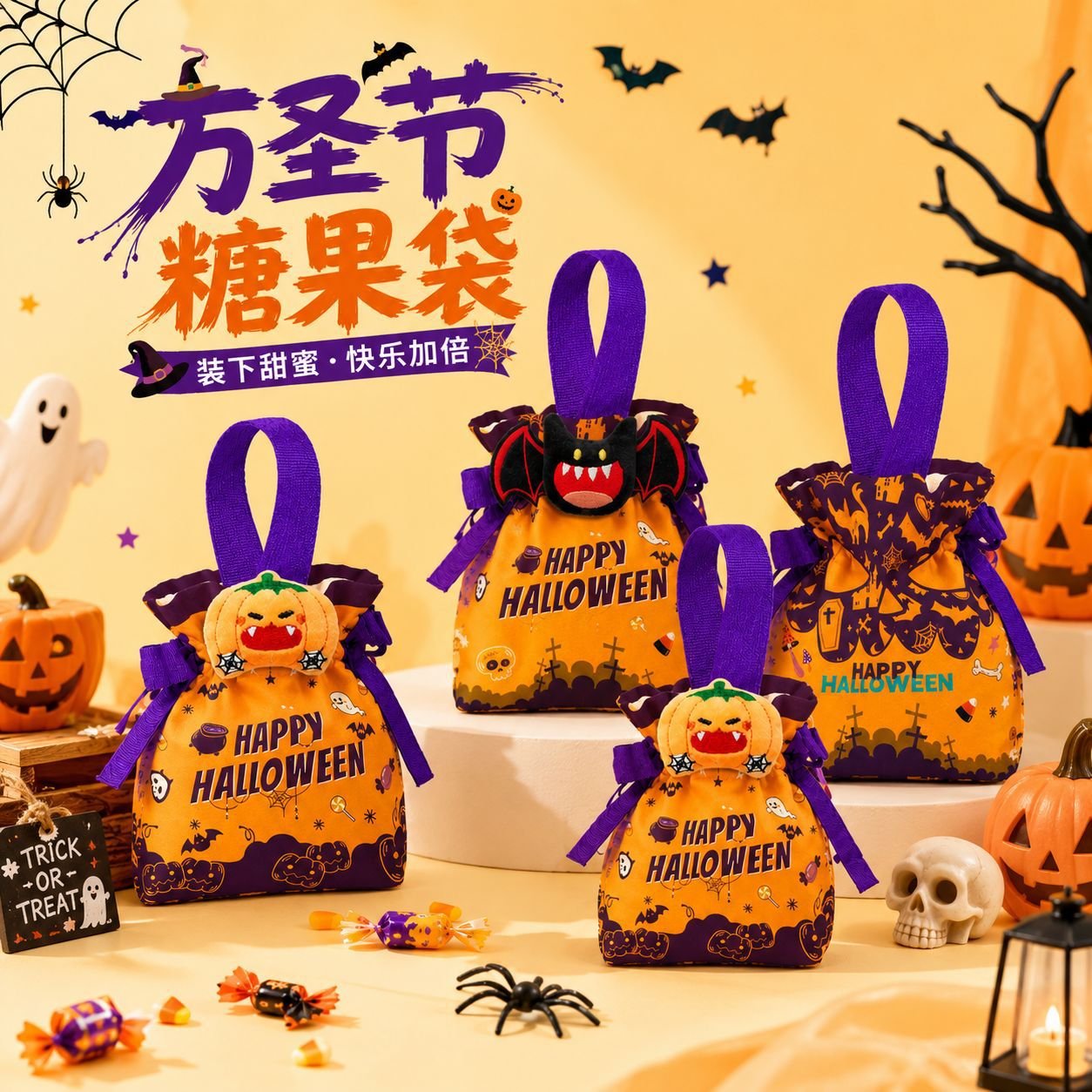
New Halloween Trick-or-Treat Canvas Bag – Spooky Pumpkin & Ghost…
Why choose it: A verified product-page option selected for its relevance to this guide (match score 35/100).
Best for: children and family Halloween activities
Key features to review: Holiday Gifts
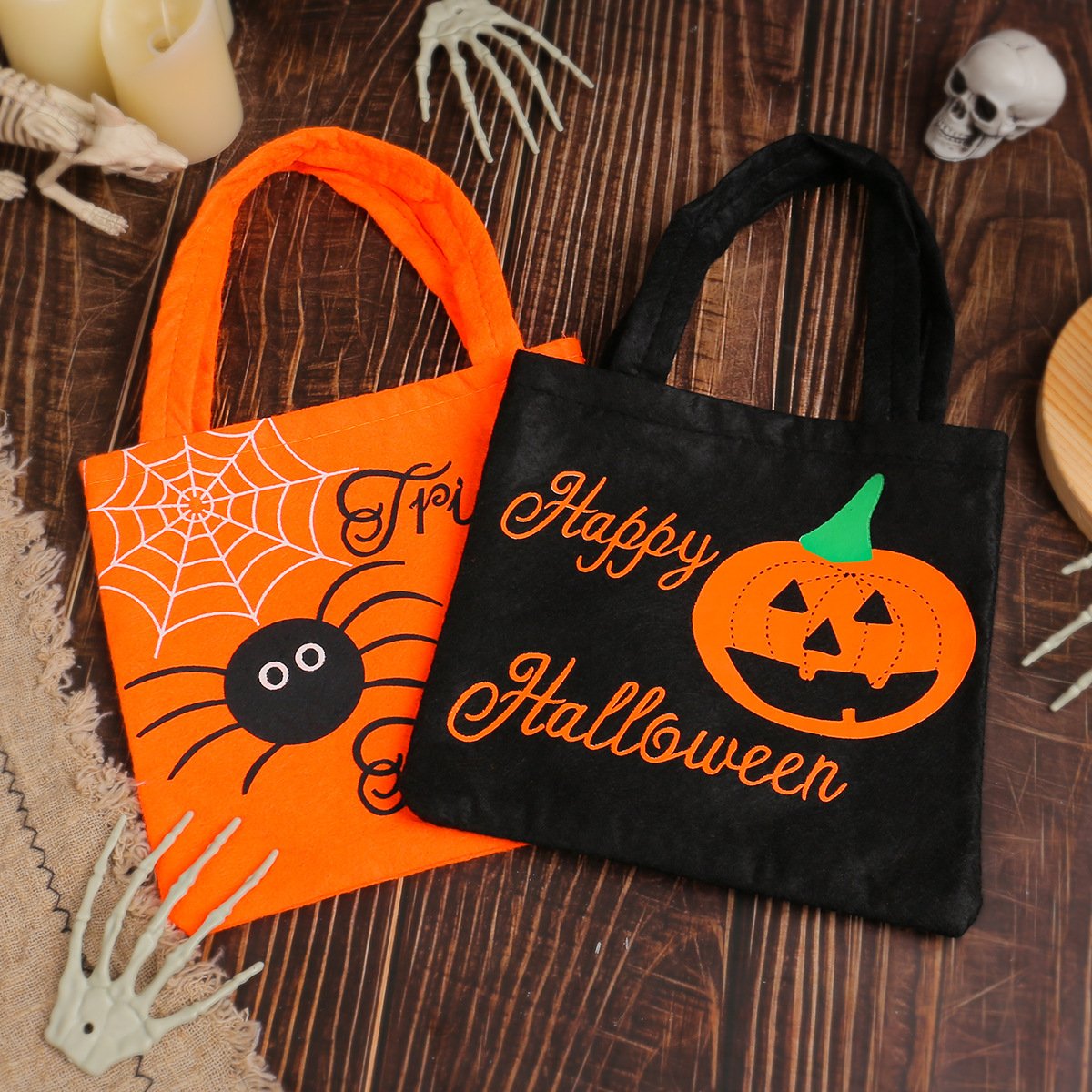
Halloween Pumpkin Non-Woven Tote Bag for Kids, Trick-or-Treat Candy…
Why choose it: A verified product-page option selected for its relevance to this guide (match score 30/100).
Best for: children and family Halloween activities
Key features to review: Holiday Gifts
View Halloween Pumpkin Non-Woven Tote Bag for Kids, Trick-or-Treat Candy… and verify current details
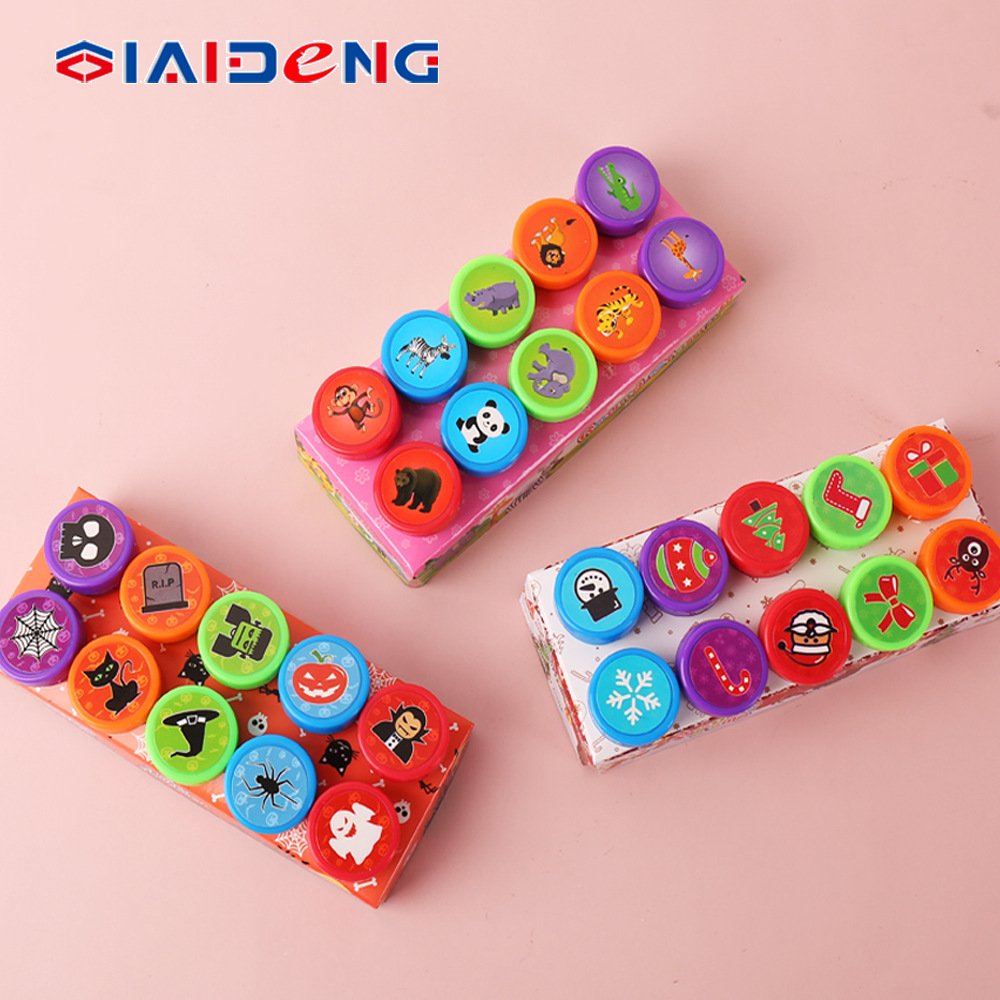
10-Pack Halloween & Christmas Cartoon Round Stamps Set with 5-Color…
Why choose it: A verified product-page option selected for its relevance to this guide (match score 30/100).
Best for: children and family Halloween activities
Key features to review: Holiday Gifts
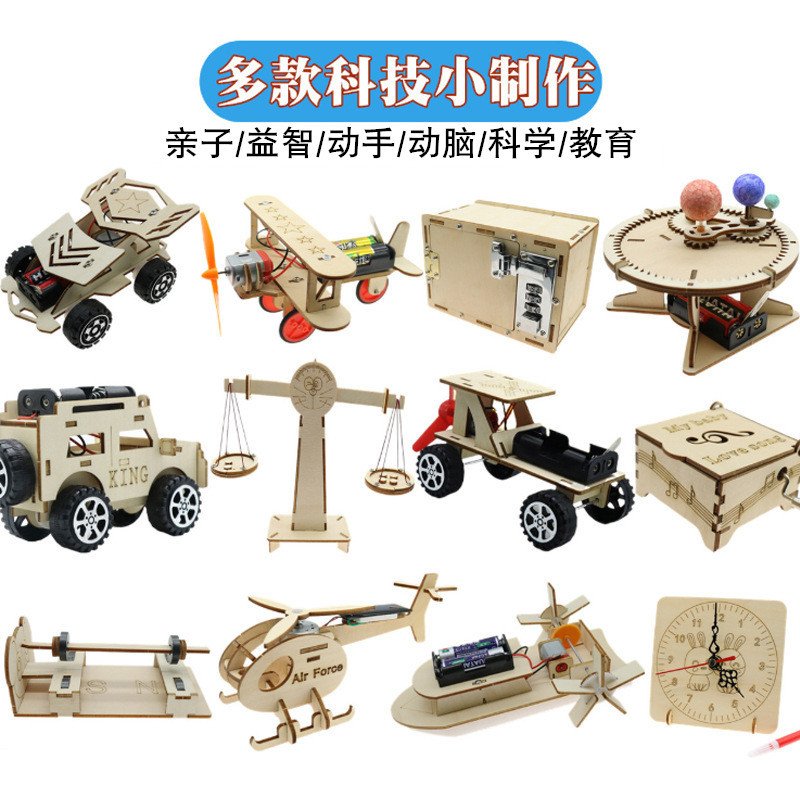
Kids Science Experiment Kit – DIY STEM Building Set for Elementary…
Why choose it: A verified product-page option selected for its relevance to this guide (match score 28/100).
Best for: children and family Halloween activities
Key features to review: Children's Gifts
View Kids Science Experiment Kit – DIY STEM Building Set for Elementary… and verify current details
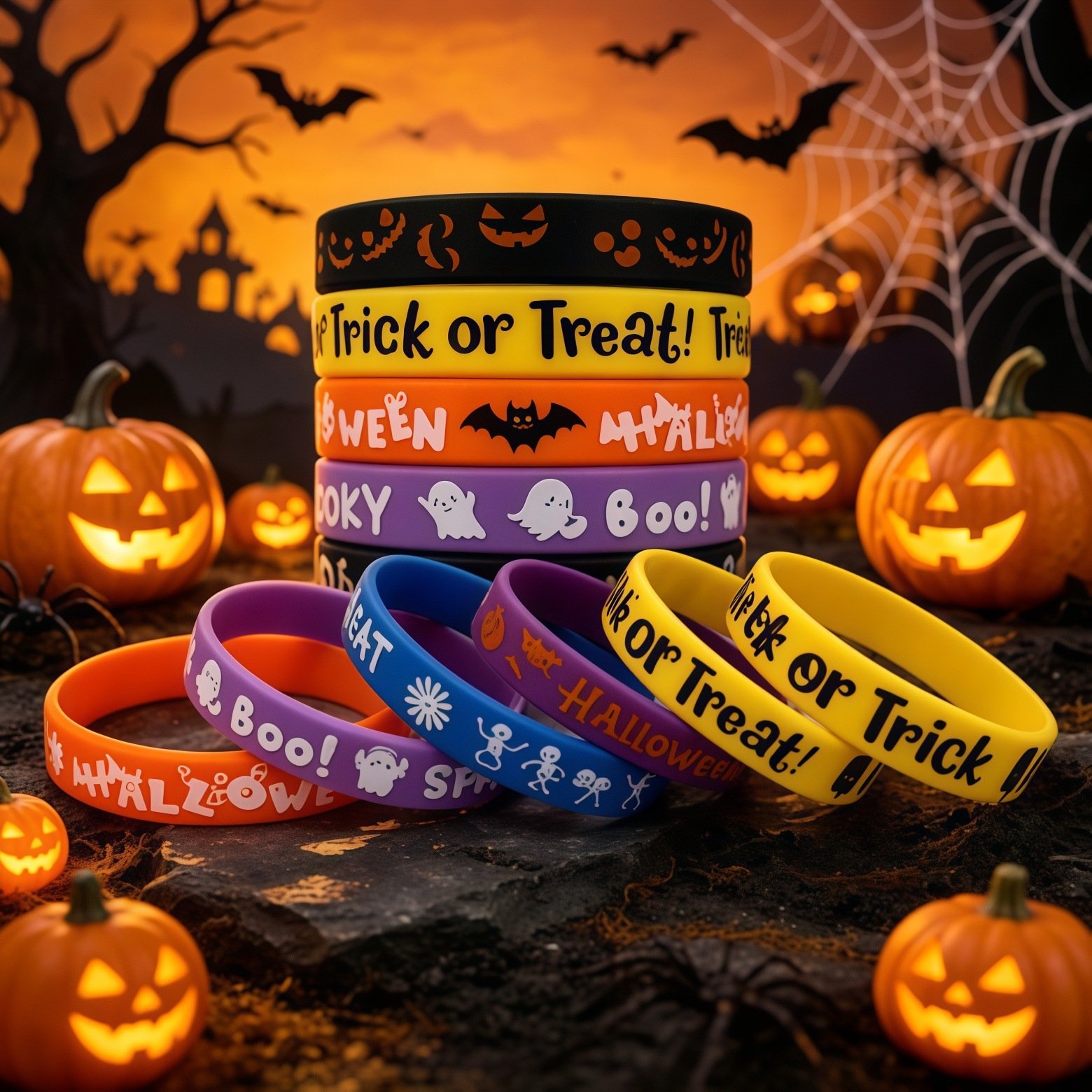
Bestselling Halloween Trick or Treat Silicone Bracelets for Kids &…
Why choose it: A verified product-page option selected for its relevance to this guide (match score 24/100).
Best for: children and family Halloween activities
Key features to review: Holiday Gifts
Frequently Asked Questions
How do I choose educational gifts for kids?
Start with the recipient, intended use, product details, and the seller's current availability.
What should I compare before buying educational gifts for kids?
Compare suitability, product specifications, availability, and the details shown on each verified product page.
Are educational gifts for kids good gifts?
They can be a thoughtful choice when the product matches the recipient's interests, age, and occasion.