
As children reach the age of seven, their natural curiosity often blossoms into a desire to understand how the world works. This is a prime time to introduce them to the wonders of science through engaging, hands-on activities. A well-chosen science kit can be much more than just a toy; it’s a gateway to exploration, critical thinking, and a lifelong love of learning. In the realm of Children’s Gifts, science kits stand out as exceptional tools for development, blending educational value with entertainment.
This comprehensive buying guide is designed to help you navigate the options and find the ideal science kit for the 7-year-old in your life. We’ll explore what makes a science kit truly great for this age group, essential selection criteria, and how to ensure the experience is both educational and enjoyable.
Why Science Kits Are Essential for 7-Year-Olds
At seven years old, children are developing rapidly, both cognitively and socially. Science kits can tap into these developmental stages in powerful ways, offering benefits that extend far beyond the laboratory bench.
Fostering Curiosity and Inquiry
Seven-year-olds are natural question-askers. Why does the sky sometimes look red? How do plants grow? What makes a boat float? Science kits provide a safe and structured environment for them to seek answers to these questions through direct experimentation. By actively participating in experiments, children move beyond passive observation, developing an innate sense of wonder and encouraging them to ask “what if?” and “how?” more frequently.
Developing Problem-Solving Skills
Every science experiment, even the simplest, involves a mini-problem to solve. Whether it’s mixing ingredients to create a reaction, assembling components, or observing changes, children learn to follow instructions, troubleshoot when things don’t go as planned, and interpret results. These experiences lay foundational problem-solving skills that are transferable to all areas of life, enhancing their ability to approach challenges with a logical and systematic mindset.
Introducing STEM Concepts Early
STEM (Science, Technology, Engineering, and Mathematics) education is crucial in today’s world. Science kits for 7-year-olds introduce basic STEM principles in an accessible and fun way. They might learn about chemical reactions without realizing they’re doing chemistry, or understand concepts like force and motion through a simple engineering build. Early exposure to these concepts can demystify complex subjects and build confidence, potentially sparking an interest in STEM fields as they grow older.
What to Look For in a Science Kit for a 7-Year-Old: A Buying Guide
Choosing the right science kit involves considering several factors to ensure it aligns with the child’s developmental stage, interests, and your expectations. Here’s what to keep in mind:
Age Appropriateness and Complexity
For a 7-year-old, a kit shouldn’t be too simplistic that it offers no challenge, nor too complex that it leads to frustration. Look for kits that clearly state their recommended age range. A kit suitable for a 7-year-old should allow for some independent exploration while still providing opportunities for parental guidance on more intricate steps. Always verify the specific age recommendations on the product page before purchasing.
Engagement and Variety of Experiments
A good science kit keeps children engaged. This means it should offer a variety of experiments or activities that capture their imagination. Does it allow for multiple outcomes? Does it introduce different scientific principles? Kits that offer diverse experiences, from simple chemical reactions to basic physics or natural observations, tend to hold a child’s interest longer than those focused on just one narrow concept.
Educational Value and STEM Focus
The primary goal of a science kit is to educate. Consider how well the kit explains the scientific principles behind the experiments. Are the concepts clearly articulated in the instructions? Does it encourage deeper thinking and further exploration? Look for kits that explicitly mention a STEM focus, indicating an intentional design to teach core concepts in science, technology, engineering, or mathematics.
Safety Considerations
Safety is paramount with any children’s product, especially those involving experiments. While specific safety certifications or statements cannot be generalized, it is crucial for parents and guardians to carefully review the product details on the individual product page for any safety warnings, material information, or specific usage instructions. Always ensure that adult supervision is provided, especially for experiments involving liquids, small parts, or any heat sources. Before purchase, verify if a product states it includes materials or components that are not for consumption or require specific handling.
Materials and Components
Examine what materials and components are included. Are they sturdy enough for repeated use? Are all necessary items for the experiments provided, or will you need to supply common household items? The quality of the components can impact the success and enjoyment of the experiments. Always check the specific product description on the product page for a list of included items and any requirements for additional household materials.
Clarity of Instructions
Well-written, clear, and easy-to-follow instructions are vital for a successful science kit experience for a 7-year-old. They should ideally include visual aids, step-by-step guidance, and explanations of what is happening during each experiment. Ambiguous instructions can lead to confusion and diminish the fun. Look for indications in reviews or product descriptions that highlight user-friendly manuals.
Understanding Different Types of Science Kits
Science kits come in many forms, each focusing on different scientific disciplines. Knowing the various types can help you narrow down your choice based on a child’s budding interests.
- Chemistry Kits: These often involve mixing substances to create reactions, make slime, grow crystals, or perform color changes. They teach basic chemical properties and reactions in a visual and exciting way.
- Physics & Engineering Kits: These kits focus on principles like motion, gravity, electricity, magnetism, and simple machines. They might involve building structures, launching rockets, or creating circuits, teaching fundamental engineering design and physics concepts.
- Biology & Nature Kits: Centered around the natural world, these kits might include activities like growing plants, observing insects, or learning about the human body. They encourage an appreciation for living organisms and ecological concepts.
- General STEM Kits: Many kits encompass multiple STEM areas, offering a broader range of experiments that touch upon various scientific disciplines. These are excellent for children whose interests are still broad or who enjoy diverse activities.
Comparison Criteria for Your Purchase
Once you have a few potential kits in mind, use these criteria to compare them and make your final decision.
Ease of Use and Setup
Consider how easy the kit is to set up and use. For a 7-year-old, overly complicated assembly or preparation can quickly lead to disinterest. Kits that allow for quick initiation into experiments, with minimal adult help, are often more satisfying for young learners. Review product descriptions for details on setup time and complexity.
Replayability and Longevity
Some kits are designed for one-time use, while others offer multiple experiments or components that can be reused for new creations. A kit with high replayability provides more long-term value and continued engagement. Look for kits that encourage open-ended play or offer components that can be combined in different ways.
Inclusion of All Necessary Components
It can be frustrating to start an experiment only to find a crucial component missing or needing to be purchased separately. Verify that the kit provides everything required to complete the stated experiments, or clearly lists any common household items that are needed. Detailed product descriptions are key for this information.
Alignment with Educational Goals
Consider what specific educational goals you have in mind. Are you hoping to spark an interest in a particular field, like environmental science or engineering? Or are you aiming for a broad introduction to scientific thinking? Choose a kit that aligns with these objectives, ensuring it effectively communicates the desired scientific principles.
Featured Product Spotlight: An Example of a STEM Gift
When seeking a dedicated resource that promotes scientific exploration, consider offerings designed specifically for this purpose. An example of such a product is the Science Experiment Kit for Kids – STEM Gift for Curious Kids. This item is presented as a STEM Gift, indicating its intention to introduce scientific concepts through engaging activities for curious young minds. It falls under the category of STEM Gifts, highlighting its focus on integrating science, technology, engineering, and mathematics in an accessible format for children.
Maximizing the Learning Experience
The science kit itself is just one piece of the puzzle. How it’s used can significantly impact the learning outcome.
Parental Involvement
While some kits allow for independent play, direct parental involvement, especially for 7-year-olds, can greatly enhance the experience. Supervise experiments, ask open-ended questions (“What do you think will happen next?”), discuss the results, and help them understand the scientific explanations. This interaction not only makes the experience more educational but also strengthens your bond.
Encouraging Further Exploration
A science kit should be a starting point, not the end. Encourage your child to read more about the topics introduced, perform variations of the experiments, or even design their own simple tests using household items. Visiting science museums, watching educational documentaries, or reading science books can further fuel their interest. For more ideas on fostering creativity, you might explore resources like the Buying Guide for Creative Gifts for Kids, which offers broader insights into inspiring young minds.
Conclusion
Choosing the best science kit for a 7-year-old is an investment in their intellectual development and imaginative growth. By focusing on age-appropriateness, engagement, educational value, and safety considerations, you can select a gift that not only entertains but also inspires a lasting passion for discovery. These kits are wonderful tools within the category of Children’s Gifts, offering tangible ways for kids to interact with the world around them and understand its many mysteries.
Equipping a young learner with the tools to explore scientific principles firsthand can ignite a lifelong journey of learning and inquiry. Carefully consider the options, ensure the product details meet your expectations, and prepare to embark on exciting scientific adventures with your child.
Ready to Spark Their Curiosity?
Explore the Science Experiment Kit for Kids – STEM Gift for Curious Kids to begin their scientific journey today.
Recommended Products
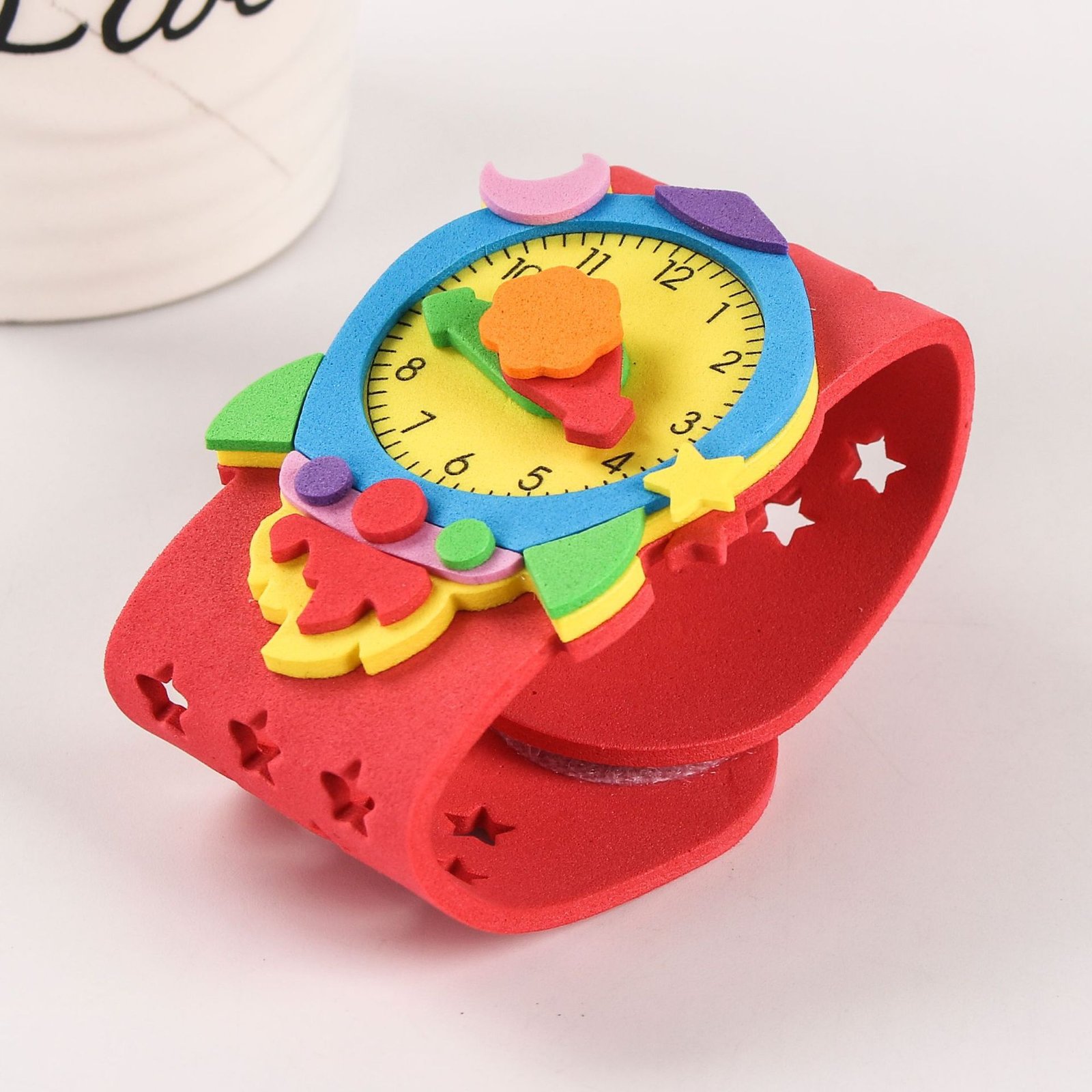
Wholesale Cartoon Kids Educational DIY EVA Foam Sticker Watch Craft Kit
Why choose it: A verified product-page option selected for its relevance to this guide (match score 100/100).
Key features to review: DIY Craft Gifts
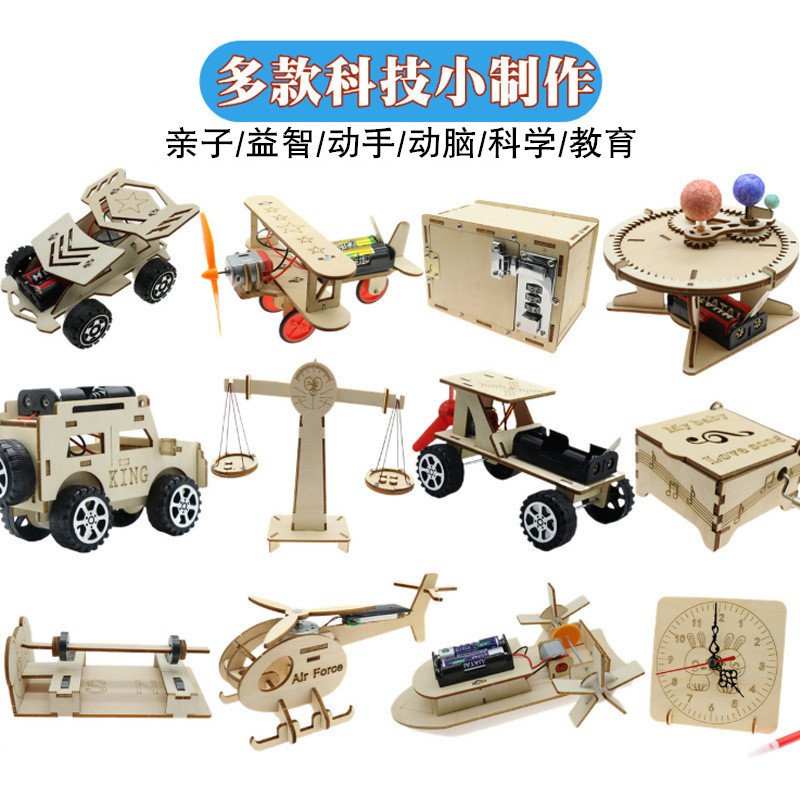
Science Experiment Kit for Kids – STEM Gift for Curious Kids
Why choose it: A verified product-page option selected for its relevance to this guide (match score 100/100).
Key features to review: STEM Gifts
View Science Experiment Kit for Kids – STEM Gift for Curious Kids and verify current details

DIY Chenille Stems Christmas Tree Craft Kit – Homemade Christmas…
Why choose it: A verified product-page option selected for its relevance to this guide (match score 82/100).
Key features to review: default
View DIY Chenille Stems Christmas Tree Craft Kit – Homemade Christmas… and verify current details
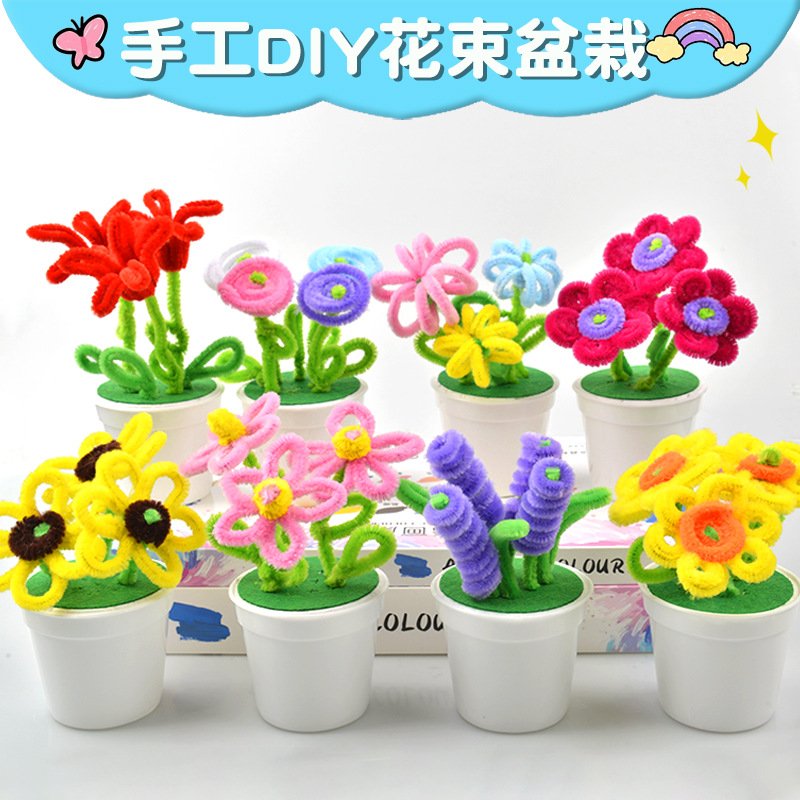
DIY Chenille Stems Flower Bouquet Craft Kit Pipe Cleaners Sunflower…
Why choose it: A verified product-page option selected for its relevance to this guide (match score 82/100).
Key features to review: default
View DIY Chenille Stems Flower Bouquet Craft Kit Pipe Cleaners Sunflower… and verify current details
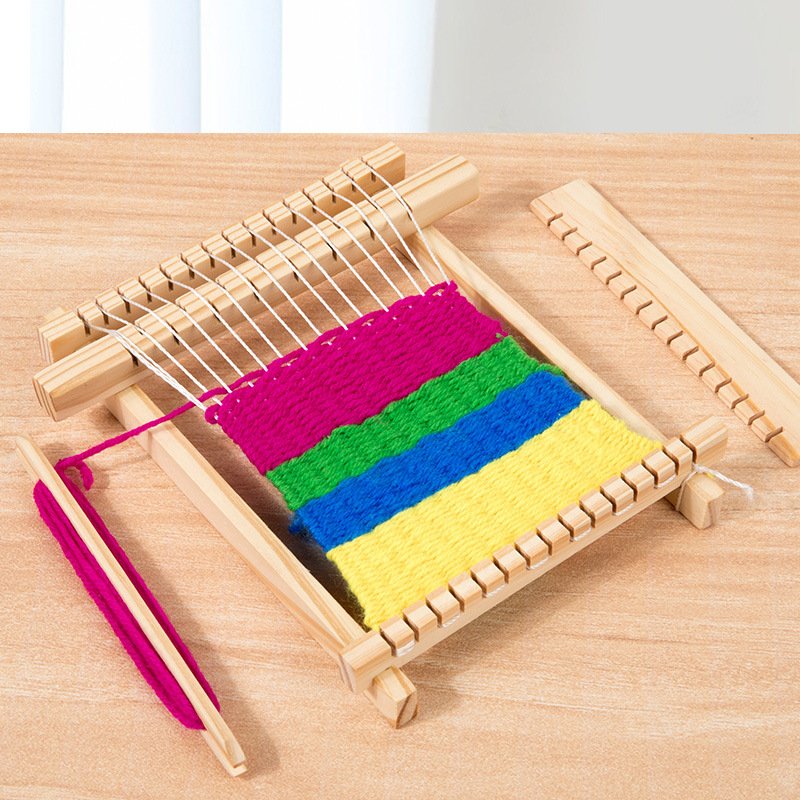
Kids Wooden Weaving Loom Toy DIY Handcrafted Assembly Science Craft Kit…
Why choose it: A verified product-page option selected for its relevance to this guide (match score 80/100).
Key features to review: default
Frequently Asked Questions
How do I choose best science kits for 7 year olds?
Start with the recipient, intended use, product details, and the seller's current availability.
What should I compare before buying best science kits for 7 year olds?
Compare suitability, product specifications, availability, and the details shown on each verified product page.
Are best science kits for 7 year olds good gifts?
They can be a thoughtful choice when the product matches the recipient's interests, age, and occasion.