
Ignite Curiosity: A Buyer’s Guide to Science Kits for 7-Year-Olds
Finding the perfect gift for a 7-year-old can be an exciting challenge, especially when aiming to blend fun with genuine learning. In the realm of Children’s Gifts, science kits stand out as exceptional tools for development, designed to captivate young minds and introduce them to the wonders of the world around them. For a child who is brimming with questions and a natural desire to explore, a well-chosen science kit isn’t just a toy; it’s a gateway to discovery, critical thinking, and a lifelong love of learning.
At seven years old, children are at a fantastic developmental stage: their curiosity is boundless, their fine motor skills are refining, and their capacity for understanding cause and effect is rapidly expanding. This makes it the ideal time to introduce them to the foundational principles of science, technology, engineering, and mathematics (STEM) through engaging, hands-on activities. A quality science kit can transform abstract concepts into tangible, exciting experiments, fostering problem-solving skills and encouraging independent exploration, often with the joyful collaboration of a parent or guardian.
This comprehensive buying guide will walk you through everything you need to consider when selecting a science kit for a 7-year-old. We’ll delve into what makes a kit truly educational, how to ensure it’s age-appropriate, and practical tips for maximizing the learning experience.
Understanding 7-Year-Olds and Their Scientific Minds
Seven-year-olds are typically in the midst of their concrete operational stage of cognitive development. This means they are becoming more logical and organized in their thinking, though they still learn best through direct experience. They love to manipulate objects, observe changes, and ask “why?” incessantly. For them, science isn’t just about reading facts; it’s about doing, seeing, and experiencing.
- Hands-On Learning: Kits that require assembly, mixing, observing, or building are often the most engaging.
- Clear Instructions: While adult supervision is almost always recommended, clear, step-by-step instructions (often visual) are crucial for a 7-year-old to follow along and feel a sense of accomplishment.
- Immediate Results: Experiments that yield noticeable, exciting results relatively quickly can maintain their attention and reinforce scientific principles effectively.
- Connection to the Real World: Kits that explain phenomena they already encounter (like weather, plants, or magnets) can make science feel more relevant and less abstract.
Why a Science Kit Makes an Excellent Gift
Beyond simply providing entertainment, science kits offer a wealth of benefits that contribute to a child’s holistic development. This is why they are consistently among the most cherished and impactful Children’s Gifts.
Fostering STEM Skills
Science kits are inherently designed to introduce and strengthen STEM competencies. They encourage scientific inquiry, technological understanding, engineering design thinking, and mathematical reasoning. Children learn to hypothesize, experiment, observe, record data, and draw conclusions – foundational skills for any future career path.
Encouraging Curiosity and Critical Thinking
The “wow” factor of a successful experiment often sparks further questions. Why did that happen? What if I try this? This natural curiosity is the bedrock of scientific exploration and critical thinking. Kits encourage children to think logically and analyze situations.
Developing Problem-Solving Abilities
From troubleshooting an experiment that isn’t quite working to figuring out how to assemble a component, science kits present mini-challenges that hone a child’s problem-solving skills. They learn persistence and the satisfaction of overcoming obstacles.
Promoting Creativity and Imagination
While often seen as purely analytical, science is deeply intertwined with creativity. Designing an experiment, imagining what might happen, or finding alternative solutions all tap into a child’s imaginative capacities. For more ideas on how to foster creative thought, you might find our guide Unleashing Imagination: A Buying Guide for Creative Gifts for Kids particularly insightful.
Enhancing Fine Motor Skills and Dexterity
Many experiments involve precise measurements, careful handling of tools, or intricate assembly, all of which contribute to the development of fine motor skills and hand-eye coordination.
Quality Family Time
Science kits offer fantastic opportunities for parents, grandparents, or older siblings to engage with a child, working together on projects, discussing observations, and sharing in the excitement of discovery. This shared experience can strengthen bonds and create lasting memories.
Types of Science Kits for Young Learners
Science kits come in a wide array of themes, each focusing on different scientific disciplines. Understanding these categories can help you narrow down the perfect fit for your 7-year-old’s interests:
- General Science/Experiment Kits: These kits often feature a variety of experiments spanning different fields like chemistry, physics, and biology, offering a broad introduction to scientific concepts. An example of this type of offering is the Science Experiment Kit for Kids – STEM Gift for Curious Kids, which is described as a STEM gift, indicating a focus on comprehensive scientific exploration.
- Chemistry Kits: Focused on reactions, mixtures, and the properties of matter, often involving liquids, powders, and color changes.
- Physics Kits: Explore concepts like force, motion, energy, light, and sound through experiments with magnets, circuits, or simple machines.
- Biology Kits: Centered around living things, such as plant growth, anatomy, or microscopy.
- Earth Science/Geology Kits: Involve crystal growing, rock excavation, or volcano simulations.
- Astronomy Kits: Introduce the solar system, stars, and space, sometimes including models or simple telescopes.
- “Science Craft” Kits: These kits blend scientific principles with artistic or building activities. While primarily focused on crafting or assembly, they often involve problem-solving, understanding structure, or working with materials in a way that introduces fundamental engineering or design concepts. An example is the Kids Wooden Weaving Loom Toy DIY Handcrafted Assembly Science Craft Kit for Kindergarten. Although explicitly labeled for Kindergarten, its emphasis on “DIY Handcrafted Assembly” and being a “Science Craft Kit” suggests it can still engage a 7-year-old who enjoys building and understanding how things work, developing fine motor skills and following instructions to create a functional item. Parents should always review the product details to ensure the complexity and engagement level align with their child’s specific abilities and interests at age seven.
The Ultimate Buying Guide: Selecting the Best Science Kit for a 7-Year-Old
Choosing the right science kit involves considering several factors to ensure it’s a hit with your young scientist.
1. Match Their Interests
The most important factor is the child’s existing fascinations. Do they love dinosaurs, space, plants, or mixing potions? A kit that aligns with their current passions will be far more engaging. Look for kit descriptions that clearly outline the scientific themes explored.
2. Age Appropriateness and Complexity
While this guide focuses on 7-year-olds, kits within this age range can vary significantly in complexity. A kit that’s too simple might quickly bore them, while one that’s too complex could lead to frustration. Look for kits that explicitly state they are suitable for this age group. Always verify the recommended age range on the product page itself, as well as checking for clear, step-by-step instructions that are easy for a 7-year-old to understand (with adult help).
3. Educational Value & STEM Focus
Does the kit just perform cool tricks, or does it actually teach scientific concepts? A good science kit will explain the “why” behind the “what.” Look for descriptions that highlight the STEM skills developed and the scientific principles introduced. For example, a Science Experiment Kit for Kids – STEM Gift for Curious Kids likely focuses on broad STEM learning outcomes.
4. Hands-On Engagement
Seven-year-olds thrive on doing. Prioritize kits that require active participation rather than passive observation. Kits with multiple experiments or components that can be assembled, like the Kids Wooden Weaving Loom Toy DIY Handcrafted Assembly Science Craft Kit for Kindergarten, offer tangible interaction.
5. Safety Considerations and Adult Supervision
This is paramount. While many kits for this age group are designed with safety in mind, adult supervision is almost always necessary and should be expected for any science experiment. Always check the specific product description for safety warnings, and be prepared to oversee activities, especially those involving heat, chemicals, or small parts. Do not assume a product is non-toxic or certified without explicit verification on its dedicated product page.
6. Materials and Durability
Consider the quality of the materials included. Are they sturdy enough to withstand multiple uses? Will they break easily? While specific product durability cannot be claimed without manufacturer information, you can often find details about the materials used in the product description. Reading customer reviews can also provide insights into the real-world durability of components.
7. Replay Value and Open-Ended Play
Does the kit offer enough experiments or creative possibilities to be used more than once? Can the child use the components to design their own experiments, or is it a one-and-done activity? Kits that encourage open-ended exploration provide greater long-term value.
8. Clear and Engaging Instructions
Well-written instructions are essential. They should be clear, easy to follow, and ideally include illustrations or diagrams. Some kits even incorporate storytelling or fun characters to make the learning process more engaging for young children.
Comparing Different Kits: Key Criteria to Consider
Once you’ve identified a few potential science kits, use these criteria to compare them side-by-side:
- Experiment Variety: How many different experiments are included? Do they cover a single scientific area in depth, or offer a broader range like the Science Experiment Kit for Kids – STEM Gift for Curious Kids often does? A good mix can keep interest high.
- Required Components: Does the kit include everything needed, or will you need to supply common household items (e.g., water, batteries, cooking oil)? Check the product description carefully for a list of contents and any “not included” items.
- Setup and Cleanup: Some kits are notoriously messy or require significant setup time. Consider your tolerance for these aspects and look for kits that balance excitement with practical manageability.
- Supervision Level: While adult supervision is generally advised for all science kits for 7-year-olds, some require more intensive involvement than others. Product details or customer reviews might offer insight into the typical level of adult assistance needed.
- Learning Outcomes: Evaluate what specific skills or knowledge the kit aims to impart. Does it focus on observation, experimentation, problem-solving, or creative construction, as seen with the “DIY Handcrafted Assembly” aspect of the Kids Wooden Weaving Loom Toy DIY Handcrafted Assembly Science Craft Kit for Kindergarten?
Beyond the Box: Maximizing the Learning Experience
A science kit is just the starting point. To truly ignite a child’s scientific curiosity, consider these tips:
- Ask Open-Ended Questions: Instead of just observing, ask “What do you think will happen next?” or “Why do you think it turned out that way?”
- Encourage Documentation: Suggest drawing observations, taking notes, or even creating a “scientist’s logbook.”
- Connect to Everyday Life: Point out how the scientific principles learned in the kit apply to phenomena they see every day, from cooking to weather.
- Be a Co-Explorer: Approach the experiments with genuine curiosity yourself. Your enthusiasm is contagious!
- Embrace Failure: Not every experiment will work perfectly. Teach them that “failed” experiments are still learning opportunities.
Conclusion
Choosing a science kit for a 7-year-old is an investment in their future. By carefully considering their interests, the kit’s educational value, safety, and engagement potential, you can select a gift that not only entertains but also inspires a deep and lasting appreciation for science. From hands-on experiments to “science craft” projects that build skills, the right kit can unlock a world of discovery and help develop the critical thinking, creativity, and problem-solving abilities essential for navigating our increasingly complex world.
Ready to spark a love for science? Begin your exploration today and discover a range of engaging science kits and STEM gifts available for curious kids.
Recommended Products
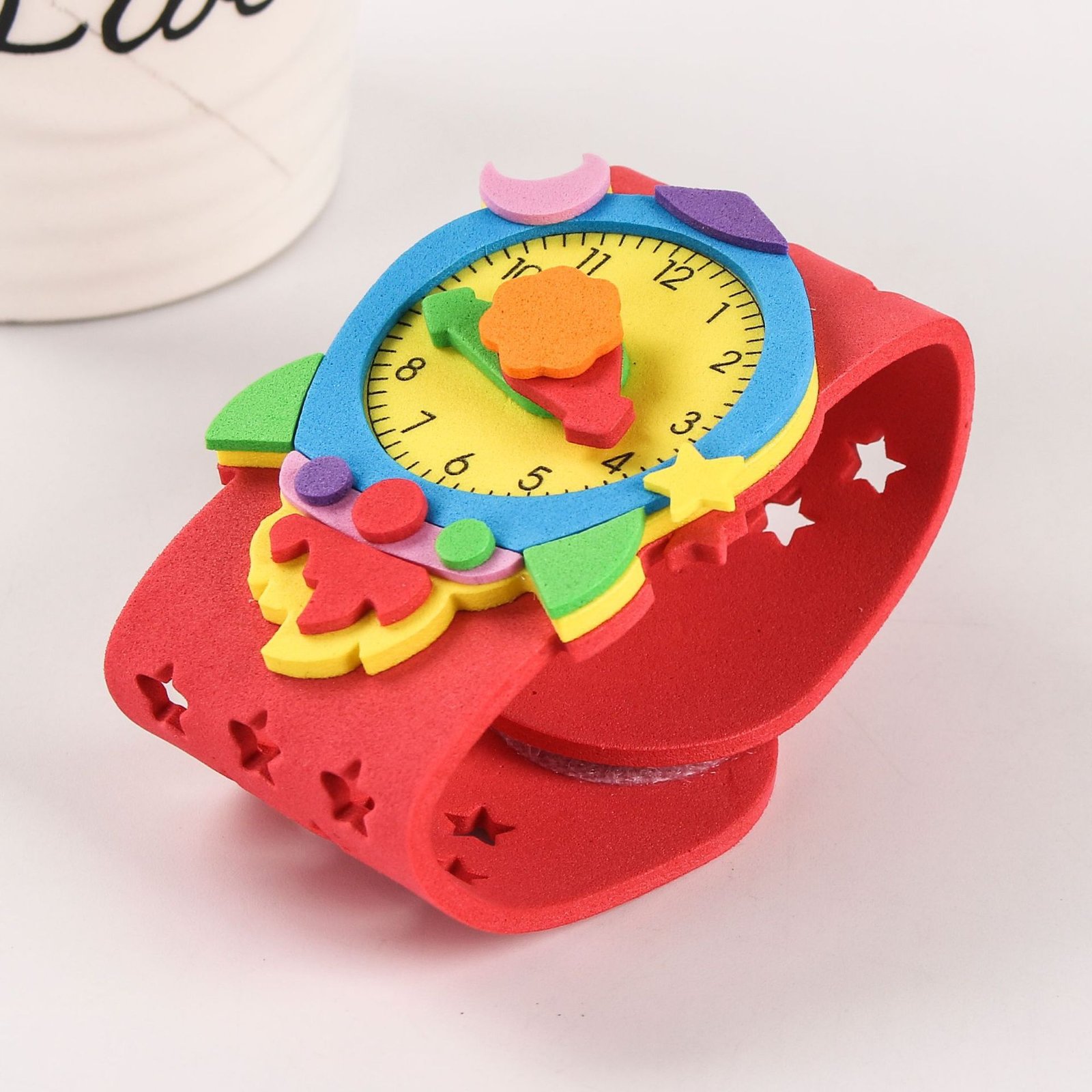
Wholesale Cartoon Kids Educational DIY EVA Foam Sticker Watch Craft Kit
Why choose it: A verified product-page option selected for its relevance to this guide (match score 100/100).
Key features to review: DIY Craft Gifts
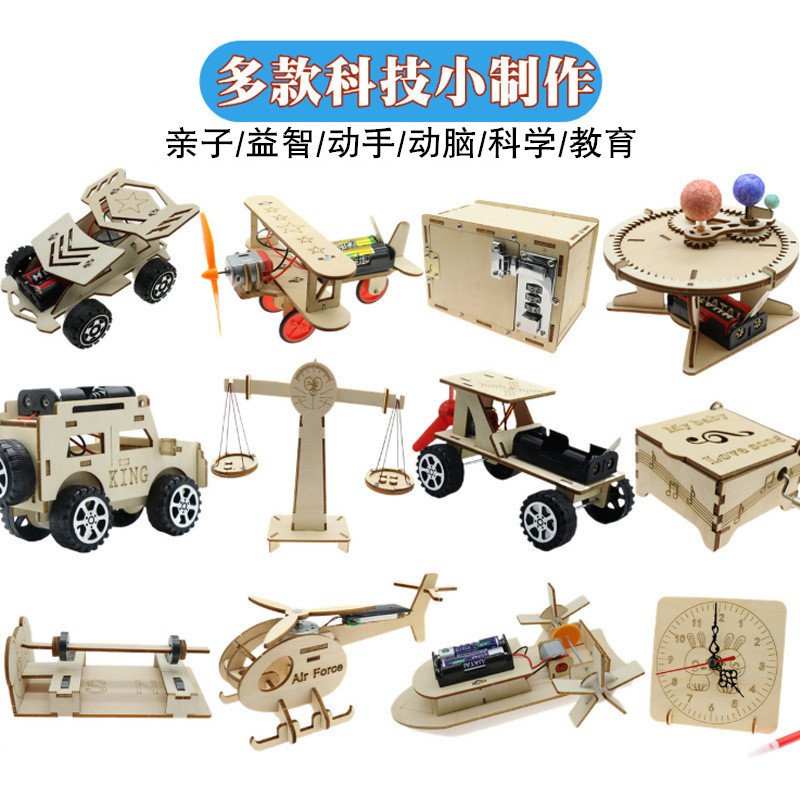
Science Experiment Kit for Kids – STEM Gift for Curious Kids
Why choose it: A verified product-page option selected for its relevance to this guide (match score 100/100).
Key features to review: STEM Gifts
View Science Experiment Kit for Kids – STEM Gift for Curious Kids and verify current details

DIY Chenille Stems Christmas Tree Craft Kit – Homemade Christmas…
Why choose it: A verified product-page option selected for its relevance to this guide (match score 82/100).
Key features to review: default
View DIY Chenille Stems Christmas Tree Craft Kit – Homemade Christmas… and verify current details
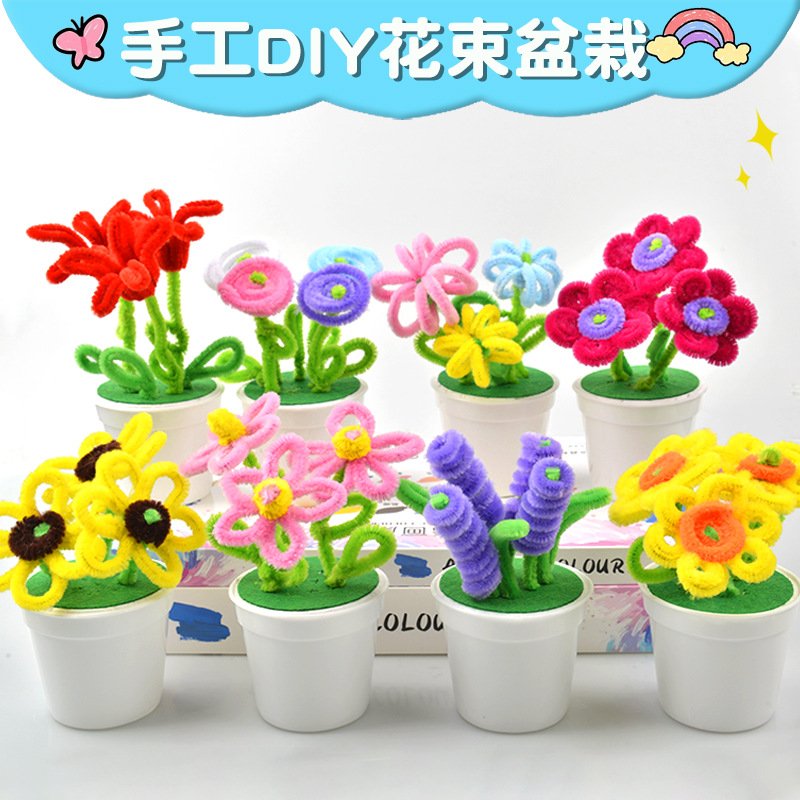
DIY Chenille Stems Flower Bouquet Craft Kit Pipe Cleaners Sunflower…
Why choose it: A verified product-page option selected for its relevance to this guide (match score 82/100).
Key features to review: default
View DIY Chenille Stems Flower Bouquet Craft Kit Pipe Cleaners Sunflower… and verify current details
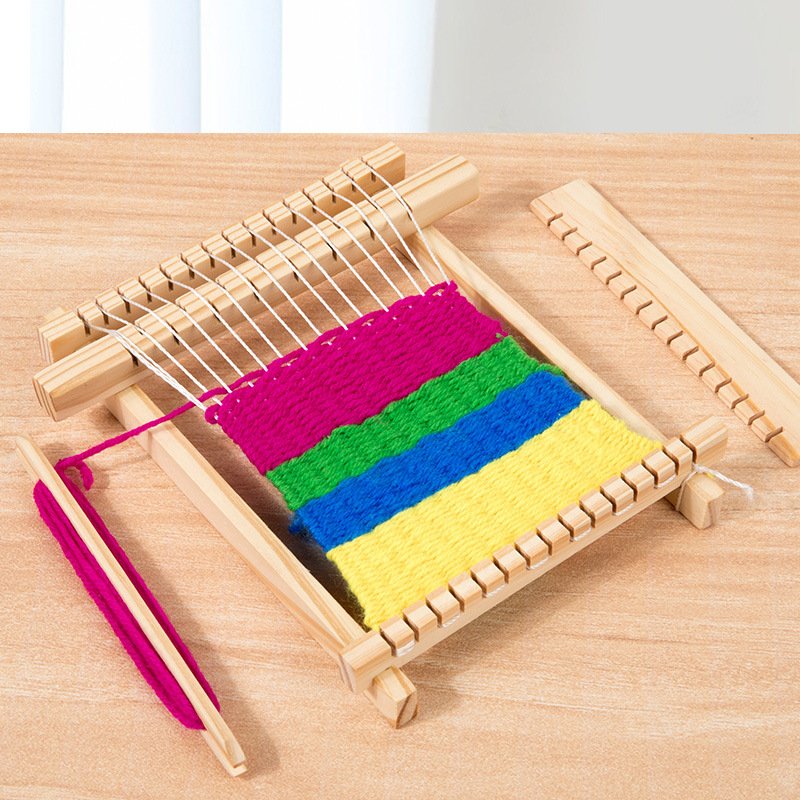
Kids Wooden Weaving Loom Toy DIY Handcrafted Assembly Science Craft Kit…
Why choose it: A verified product-page option selected for its relevance to this guide (match score 80/100).
Key features to review: default
Frequently Asked Questions
How do I choose science kits for 7 year olds?
Start with the recipient, intended use, product details, and the seller's current availability.
What should I compare before buying science kits for 7 year olds?
Compare suitability, product specifications, availability, and the details shown on each verified product page.
Are science kits for 7 year olds good gifts?
They can be a thoughtful choice when the product matches the recipient's interests, age, and occasion.