
Educational Gifts for Kids That Are Actually Fun: A Guide for Thoughtful Gifting
Finding the perfect gift for a child can be a delightful challenge. We all want to give presents that spark joy, but wouldn’t it be wonderful if those gifts also contributed to their learning and development? The good news is that educational gifts don’t have to be boring or feel like homework. In fact, some of the most impactful learning happens through play – especially when it’s genuinely fun!
This guide, part of our Children’s Gifts blog category, is designed to help you navigate the world of educational toys and kits, identifying those gems that are not only enriching but also incredibly engaging. We’ll explore what makes a gift truly educational and fun, highlight different types of options, and provide practical criteria to help you make an informed choice that resonates with the child in your life.
What Makes an Educational Gift Truly “Fun”?
The key to an educational gift being “fun” lies in its ability to captivate a child’s imagination and curiosity. It’s about engagement, not just instruction. Here’s what sets truly fun educational gifts apart:
- Open-Ended Play: Gifts that allow for multiple ways to play and create foster imagination and problem-solving. They don’t have a single “right” answer.
- Hands-On Experience: Children learn best by doing. Gifts that involve building, experimenting, crafting, or designing provide valuable tactile and kinesthetic learning opportunities.
- Relatable Concepts: When the learning is tied to something a child can see, touch, or understand in their world, it becomes more meaningful and enjoyable.
- Sense of Accomplishment: Completing a project, successfully conducting an experiment, or building something tangible gives children a boost of confidence and encourages further exploration.
- Sparks Curiosity: The best educational gifts don’t just teach facts; they inspire questions, encouraging children to dig deeper and learn more independently.
When a child is having fun, their brain is more receptive to new information and skills. This intrinsic motivation makes learning feel effortless and exciting, laying a strong foundation for future academic success and a lifelong love of discovery.
The Undeniable Benefits of Play-Based Learning
Giving a child a gift that blends education with fun offers a multitude of benefits that extend far beyond simply acquiring knowledge:
- Develops Critical Thinking Skills: Many educational toys encourage children to analyze situations, solve problems, and make decisions, honing their ability to think logically.
- Fosters Creativity and Imagination: Open-ended craft kits, building sets, and role-playing items allow children to express themselves, invent stories, and bring their ideas to life.
- Enhances Fine and Gross Motor Skills: Activities like cutting, pasting, assembling, and manipulating small objects improve dexterity and hand-eye coordination. Larger-scale projects might also involve gross motor skills.
- Boosts Self-Confidence: Successfully completing a project or mastering a new concept through play builds self-esteem and a sense of achievement.
- Encourages Social and Emotional Development: Gifts that can be shared or played with in groups promote cooperation, communication, sharing, and empathy.
- Cultivates a Love for Learning: By making learning an enjoyable experience, these gifts help children associate education with positive feelings, encouraging them to seek knowledge throughout their lives.
These benefits contribute to a child’s holistic development, preparing them not just for school, but for navigating the complexities of the world around them with curiosity and competence.
Types of Educational Gifts for Engaging Play
Educational gifts come in many forms, each offering unique avenues for growth and enjoyment. Here are a few popular categories, featuring examples that truly marry education with fun:
DIY Craft Kits: Unleashing Creativity and Dexterity
Craft kits are fantastic for developing fine motor skills, encouraging creativity, and fostering a sense of accomplishment. They allow children to follow instructions while also adding their personal touch.
- Personalized Craft Projects: Consider a Wholesale Cartoon Kids Educational DIY EVA Foam Sticker Watch Craft Kit. This type of kit combines the fun of stickers with the satisfaction of creating a wearable item, potentially introducing concepts of time (if it’s a representation of a watch face) and design. Children engage their hands and minds as they assemble their unique watch, making it a memorable and educational activity.
- Imaginative Structure Building: For a larger, more immersive crafting experience, a DIY Kids Cardboard Playhouse Craft Kit can be a brilliant choice. This kit not only involves the hands-on fun of constructing a physical structure but also opens up a world of imaginative play once completed. It allows children to engage in building and then transform their creation into a setting for countless adventures, promoting spatial reasoning, cooperative play (if assembled with others), and storytelling. While the product description for this specific kit mentions “Christmas Paper House Toy & Gift,” its principles apply to general imaginative play through construction.
- Themed Seasonal Crafts: Gifts like a DIY Christmas Non-Woven Felt Top Hat Craft Kit or a DIY Christmas Tree Craft Kit offer focused creative expression around specific themes. These kinds of kits are excellent for developing fine motor skills and following instructions while also engaging with cultural or seasonal traditions.
Science & STEM Kits: Igniting Curiosity and Critical Thinking
STEM (Science, Technology, Engineering, and Mathematics) kits are designed to introduce children to fundamental scientific principles through exciting, hands-on experiments.
- Experiment Kits: A Science Experiment Kit for Kids – STEM Gift for Curious Kids is an excellent example. These kits turn abstract concepts into tangible experiences. Children can learn about chemical reactions, physics, or biology in a playful context, encouraging observation, hypothesis formation, and problem-solving. This type of gift directly caters to a child’s natural curiosity about “how things work,” making learning an adventure of discovery.
Buying Guide: Key Considerations for Your Choice
To ensure your educational gift is a hit, consider these practical selection criteria before making a purchase. Remember, the goal is to match the gift with the child’s individual needs and interests.
1. Age and Developmental Stage
A gift that is too simple will bore a child, while one that is too complex can lead to frustration. Always check the product page for specific age recommendations, as these guidelines are often based on developmental milestones and safety considerations. Reflect on the child’s current abilities and interests to find something that offers an appropriate level of challenge and engagement.
2. Learning Focus
What skills or areas of knowledge do you wish to encourage? Some gifts emphasize creativity, like craft kits, while others focus on logical thinking, problem-solving, or scientific inquiry, such as STEM kits. Consider whether the child benefits most from developing fine motor skills, understanding scientific principles, or fostering imaginative play. The product descriptions, like “Educational DIY EVA Foam Sticker Watch Craft Kit” or “STEM Gift for Curious Kids,” often provide clues about their primary learning focus.
3. Engagement Potential and Reusability
Will the gift be a one-time activity, or does it offer opportunities for repeated play and exploration? Open-ended toys or kits that allow for variations in assembly or experimentation tend to have longer-lasting appeal. For instance, a cardboard playhouse, once built, can be continually used for imaginative scenarios. Think about whether the gift encourages solo play or interaction with others, and how that aligns with the child’s social preferences.
4. Practicality and Logistics
Consider the practical aspects of the gift. Does it require extensive setup or supervision? Will it create a lot of mess? Does it need specific supplies that aren’t included? Also, think about storage – a large playhouse, for example, requires space. Review the product details on the product page for insights into assembly, required components, and the overall experience to ensure it aligns with the family’s lifestyle.
5. Child’s Interests
Perhaps the most crucial factor is the child’s own preferences. A science kit might be amazing, but if the child is passionate about art, a craft kit might be more enthusiastically received. Observe their hobbies, favorite activities, and what naturally sparks their curiosity. A gift that taps into existing interests is far more likely to be loved and used repeatedly.
For more general advice on selecting gifts for children, you might find our guide Finding Unique Gifts for Kids: A Comprehensive Buying Guide helpful.
Comparing Educational Gifts: What to Look For
When you’ve identified a few potential educational gifts, comparing them effectively will help you make the best choice. Here are some criteria to consider:
Type of Activity
Does the kit involve building, experimenting, crafting, or a combination? A DIY EVA Foam Sticker Watch Craft Kit emphasizes creative assembly and fine motor skills, while a Science Experiment Kit focuses on guided exploration and scientific method. A Cardboard Playhouse Craft Kit combines large-scale construction with imaginative role-play.
Skill Development
While most educational gifts offer multiple benefits, each typically has a primary skill it aims to develop. Review the product description for phrases like “educational DIY,” “STEM gift,” or “craft kit” to understand the core skills it targets, such as problem-solving, artistic expression, or scientific inquiry. Consider which skills you want to particularly nurture in the child.
Group vs. Individual Play
Some gifts are ideal for solo concentration, allowing a child to delve deeply into a project at their own pace. Others, especially larger construction kits like the cardboard playhouse, can be fantastic for collaborative efforts with siblings, friends, or even adults, fostering teamwork and communication. Think about how the child typically prefers to play.
Material and Assembly
Understanding the materials and assembly requirements is important for both the gift-giver and the child. Does the kit use foam, cardboard, felt, or other specific components? Are tools required? Is the assembly process complex or straightforward? Always review the product description on the individual product page for details on materials and any specific assembly instructions to ensure it’s a good fit for the child’s abilities and the available setup time.
Conclusion: Investing in Fun and Learning
Choosing an educational gift that is genuinely fun is one of the best ways to support a child’s growth and development. By focusing on engagement, hands-on experiences, and alignment with a child’s unique interests, you can provide a present that sparks curiosity, builds skills, and creates lasting positive memories. These aren’t just toys; they are tools for discovery, creativity, and self-expression, designed to make learning an exciting adventure rather than a chore.
When you give a child a gift that combines the thrill of play with the joy of learning, you’re giving them more than just an item; you’re giving them an opportunity to explore their world, build confidence, and cultivate a lifelong passion for knowledge.
Ready to Inspire a Child’s Mind?
Explore our full range of innovative and engaging educational gifts today. From creative craft kits that develop fine motor skills to dynamic science kits that ignite curiosity, we have options designed to make learning an unforgettable experience. Discover the perfect blend of fun and education for the curious minds in your life. Browse our collection of educational gifts and find the ideal match for your child!
Recommended Products
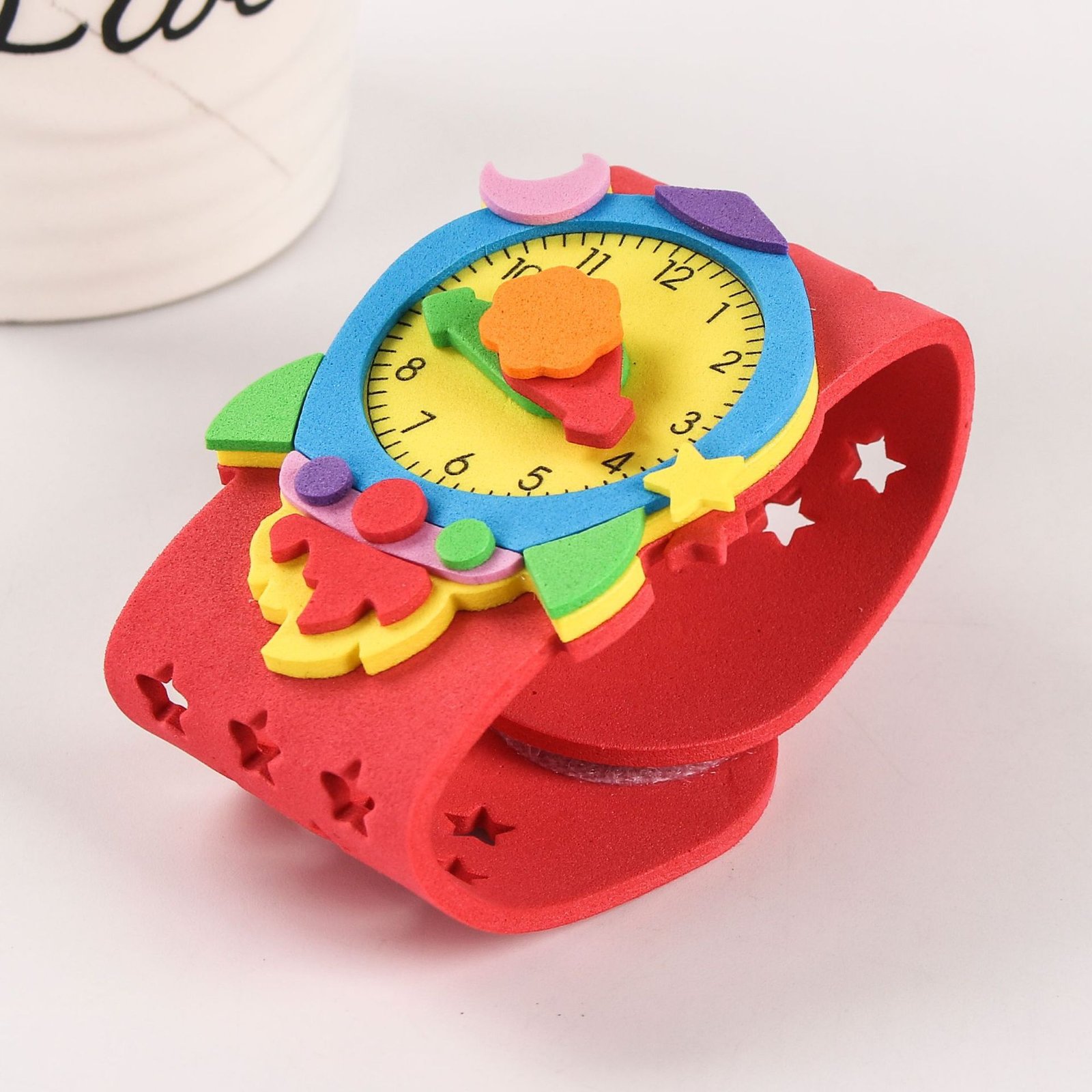
Wholesale Cartoon Kids Educational DIY EVA Foam Sticker Watch Craft Kit
Why choose it: A verified product-page option selected for its relevance to this guide (match score 100/100).
Key features to review: DIY Craft Gifts
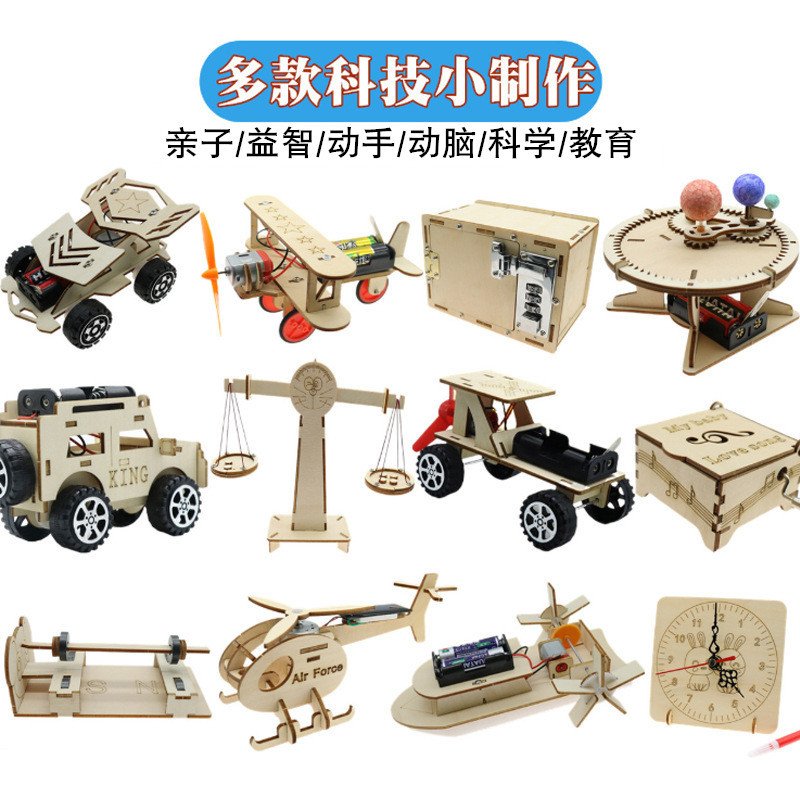
Science Experiment Kit for Kids – STEM Gift for Curious Kids
Why choose it: A verified product-page option selected for its relevance to this guide (match score 100/100).
Key features to review: STEM Gifts
View Science Experiment Kit for Kids – STEM Gift for Curious Kids and verify current details
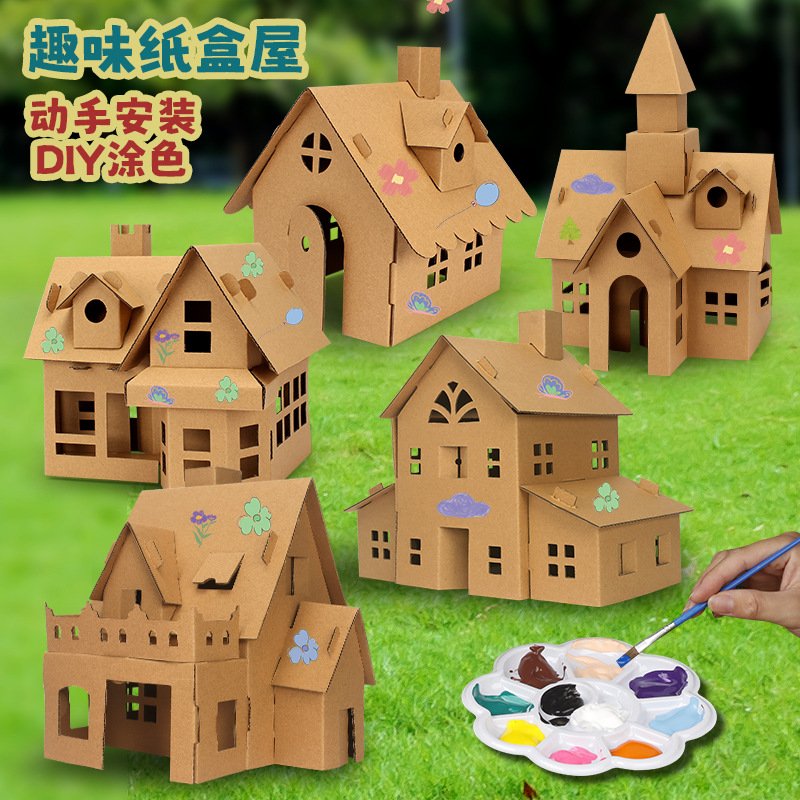
DIY Kids Cardboard Playhouse Craft Kit – Handmade Christmas Paper House…
Why choose it: A verified product-page option selected for its relevance to this guide (match score 80/100).
Key features to review: default
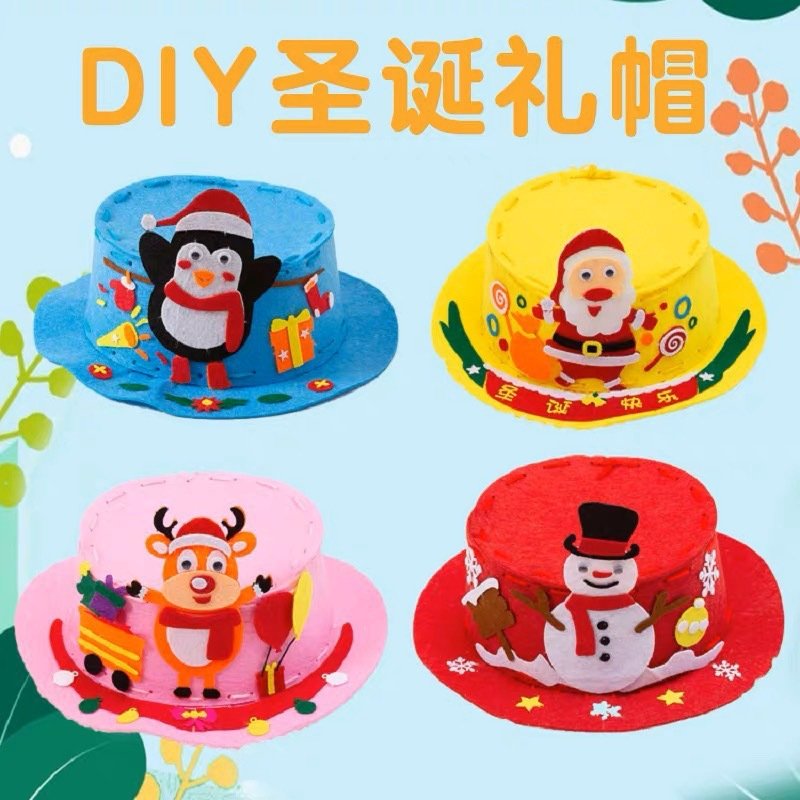
DIY Christmas Non-Woven Felt Top Hat Craft Kit for Kids – Handmade 3D…
Why choose it: A verified product-page option selected for its relevance to this guide (match score 80/100).
Key features to review: default

DIY Christmas Tree Craft Kit Kids Handmade Tabletop Ornament…
Why choose it: A verified product-page option selected for its relevance to this guide (match score 80/100).
Key features to review: default
View DIY Christmas Tree Craft Kit Kids Handmade Tabletop Ornament… and verify current details
Frequently Asked Questions
How do I choose educational gifts for kids that are actually fun?
Start with the recipient, intended use, product details, and the seller's current availability.
What should I compare before buying educational gifts for kids that are actually fun?
Compare suitability, product specifications, availability, and the details shown on each verified product page.
Are educational gifts for kids that are actually fun good gifts?
They can be a thoughtful choice when the product matches the recipient's interests, age, and occasion.