
Finding the perfect birthday gift for a child is a delightful quest, yet it often comes with its own set of challenges. The joy of seeing a child’s eyes light up upon receiving a thoughtful present is unmatched, but navigating the vast sea of options can feel overwhelming. How do you choose a gift that not only entertains but also enriches, one that resonates with their unique personality and developmental stage?
This comprehensive buying guide is designed to help you select truly special birthday gifts for the children in your life. We’ll explore practical selection criteria, discuss transparent limitations, and highlight the benefits of intentional gifting. Whether you’re looking for something that sparks creativity, fosters a love for science, or simply provides hours of imaginative play, we’re here to guide you through the exciting world of Children’s Gifts.
Understanding the Child: The First Step to a Great Gift
The most successful gifts are those that are chosen with the recipient firmly in mind. Before you even begin browsing, take a moment to consider the child’s individual characteristics. This personalized approach transforms a simple present into a cherished memory.
Age and Developmental Stage
A child’s age is a primary factor in gift selection, as it directly correlates with their cognitive abilities, motor skills, and interests. What captivates a toddler might overwhelm a preschooler, and what excites an elementary student may bore a pre-teen. Gifts suitable for younger children often focus on sensory exploration, basic cause-and-effect, and gross motor skill development. As children grow, their preferences shift towards more complex problem-solving, creative expression, and social interaction.
It’s crucial to acknowledge that age recommendations are general guidelines. Every child develops at their own pace. Therefore, always verify the specific age appropriateness and any associated warnings or requirements by checking the product details directly on the individual product page. This ensures the gift is safe and appropriately challenging for the child you have in mind, preventing both frustration and boredom.
Interests and Hobbies
What does the child love to do? Do they spend hours drawing, building with blocks, exploring nature, or telling imaginative stories? Paying attention to their existing interests can lead you to a gift that genuinely excites them and encourages further exploration of their passions. A child who loves animals might appreciate a nature-themed craft kit, while a budding engineer could be thrilled by a construction set.
Consider gifts that align with various types of play:
- Creative Play: Art supplies, musical instruments, dress-up costumes.
- Constructive Play: Building blocks, model kits, STEM sets.
- Exploratory Play: Science kits, outdoor discovery tools, puzzle games.
- Imaginative Play: Dollhouses, action figures, puppets.
A gift that taps into their current fascinations is more likely to be used and enjoyed, offering deeper engagement and a sense of personal connection.
The Benefits of Intentional Gifting
Beyond the immediate excitement, an intentional gift can offer lasting value. Thoughtful presents can foster growth, encourage creativity, and even lay foundations for future learning. Gifts that go beyond mere entertainment can stimulate cognitive development, enhance problem-solving skills, and encourage perseverance.
Educational toys and kits, in particular, serve a dual purpose: they are incredibly fun while subtly imparting knowledge and skills. These types of gifts often encourage children to experiment, question, and discover, transforming playtime into a powerful learning experience.
Spotlight on Engaging Learning: STEM Gifts for Curious Minds
One increasingly popular and beneficial category of gifts for children focuses on STEM: Science, Technology, Engineering, and Mathematics. These gifts are designed to engage young minds in practical problem-solving and critical thinking, preparing them for a world that increasingly values innovation and analytical skills.
Discovering the Kids Science Experiment Kit
For elementary students with a budding curiosity about the world around them, a hands-on learning experience can be an excellent birthday choice. An example from our collection of Children’s Gifts is the Kids Science Experiment Kit – DIY STEM Building Set for Elementary Students. As its name suggests, this kit is specifically designed as a science experiment kit, encouraging a do-it-yourself approach to learning.
It is presented as a STEM building set, indicating an emphasis on construction and scientific principles. This type of gift aims to provide elementary students with engaging activities that introduce them to scientific concepts through direct participation. To understand the specific experiments included, the materials involved, and any requirements for adult supervision, we encourage you to visit the Kids Science Experiment Kit product page for comprehensive details.
Buying Guide: Key Considerations for Birthday Gifts
Once you have a good understanding of the child’s age and interests, these practical considerations will help you narrow down your choices and ensure you select a gift that’s both appropriate and appreciated.
Educational Value and Engagement
Does the gift offer an opportunity for learning, problem-solving, or creative expression? An engaging gift is one that captures a child’s attention and encourages them to interact with it, rather than simply observe. Look for toys that require active participation, foster imagination, or introduce new concepts in an accessible way. The best gifts are often those that don’t just provide an answer but encourage a child to ask more questions.
Longevity and Replay Value
Consider whether the gift will have lasting appeal. Some toys offer immediate gratification but quickly lose their charm, while others can be used in multiple ways or adapt as the child grows. Gifts with high replay value, such as open-ended building sets, art supplies, or versatile experiment kits, offer sustained engagement and better long-term value. Think about whether the item can be incorporated into different play scenarios or if it has various levels of challenge.
Practicality and Space
While excitement is key, it’s also practical to consider the child’s living environment. Does the gift require a lot of space for storage or play? Will it create excessive clutter for the family? Large items might be impressive, but a smaller, thoughtfully chosen gift that fits well within the home environment can be just as impactful and more appreciated by parents. Consider how easy it is to clean up and store the item after use.
Budgeting for Birthday Presents
A meaningful birthday gift doesn’t necessarily have to be the most expensive one. Set a realistic budget and focus on finding the best possible gift within that range. Sometimes, combining a few smaller, related items can create a wonderful themed gift basket. Remember that the thought and effort put into selecting a gift often outweigh its monetary value. There are fantastic options available at every price point that can inspire and delight children.
Comparison Criteria: Evaluating Your Options
When you’ve found a few potential gifts, it’s time to compare them against specific criteria. This step is vital for making an informed decision, especially when prioritizing safety and suitability.
Verifying Age Appropriateness
Beyond general age categories, always cross-reference the manufacturer’s specific recommended age range on the product page. This recommendation is often based on developmental milestones, potential choking hazards, or the complexity of the toy. For example, a toy with small parts might be suitable for an older child but poses a risk for a toddler. Verifying this detail is a non-negotiable step to ensure both safety and appropriate challenge.
Material Information and Durability Expectations
Product descriptions typically list the materials used in an item’s construction. For any gift, particularly those intended for active play or frequent use, understanding the materials can help set appropriate expectations regarding durability and care. While we cannot claim products are durable without explicit information, knowing the materials (e.g., plastic, wood, fabric, metal) allows you to infer potential maintenance needs and how robust the item might be. Always check the product page for these details.
Safety Information and Certifications
The safety of a child’s gift is paramount. It is essential to *always look for specific safety information, warnings, and any relevant certifications directly on the product page* or packaging before making a purchase. These details are crucial for understanding how a product meets established safety standards. Do not assume a product is safe or certified; actively seek out and review this critical information yourself to ensure peace of mind.
Assembly and Parental Involvement
Some gifts, particularly building sets or science kits, may require assembly or a certain degree of parental involvement. Consider if the child’s parents have the time and willingness for this. Details about assembly instructions, required tools (if any), and the level of adult assistance recommended are typically found on the product page. Knowing this beforehand can help ensure the gift is a joy, not a burden.
Reviews and Community Feedback
Customer reviews and testimonials on product pages can offer valuable insights into real-world experiences. They often highlight aspects like how engaging a product truly is, its actual replay value, ease of assembly, and any unexpected pros or cons. While individual experiences vary, a pattern in feedback can provide a more comprehensive picture of the gift’s potential impact and suitability for the child you are buying for.
Beyond the Gift: The Gift of Experience
Sometimes, the best birthday gift isn’t an object at all, but an experience. Tickets to a children’s museum, a local zoo, a science center, or even enrollment in a short class (like art or cooking) can create lasting memories and open up new worlds of learning and fun. These gifts align perfectly with the philosophy of intentional gifting, offering growth and engagement in unique ways.
Further Reading on Engaging Gifts
For more ideas on how DIY experiments can become excellent gifts for curious young minds, you might find our guide, ’10+ Fun STEM Science Kits: Why DIY Experiments are the Best Gifts for Curious Kids’, insightful. It delves deeper into the advantages of STEM-focused presents and how they can spark a lifelong love for discovery.
Conclusion
Choosing the perfect birthday gift for a child is an opportunity to celebrate their individuality and contribute positively to their development. By understanding their age and interests, considering the educational value and longevity of a gift, and diligently verifying product details like age appropriateness and safety information, you can make a choice that truly shines.
Remember, the most cherished gifts are those given with thought and care, designed to spark joy, curiosity, and wonder. Embrace the journey of selection, and you’re sure to find something unforgettable.
Ready to Find That Special Birthday Gift?
Start your search today! If a hands-on learning adventure sounds like the perfect fit, consider exploring the details of the Kids Science Experiment Kit to inspire discovery. Alternatively, browse our full collection of Children’s Gifts to discover more fantastic options tailored for every young personality and passion. Your ideal present awaits!
Recommended Products
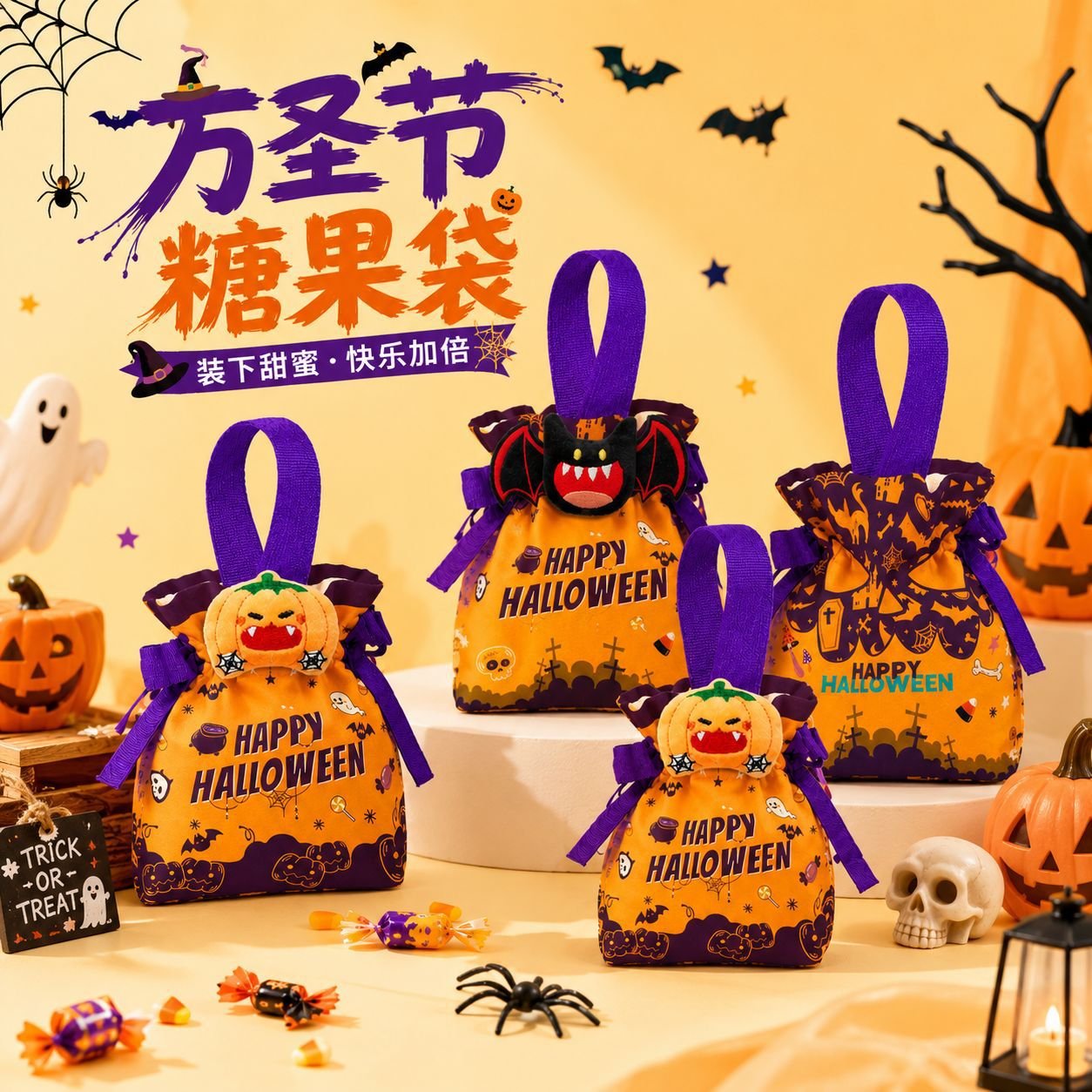
New Halloween Trick-or-Treat Canvas Bag – Spooky Pumpkin & Ghost…
Why choose it: A verified product-page option selected for its relevance to this guide (match score 35/100).
Best for: children and family Halloween activities
Key features to review: Holiday Gifts
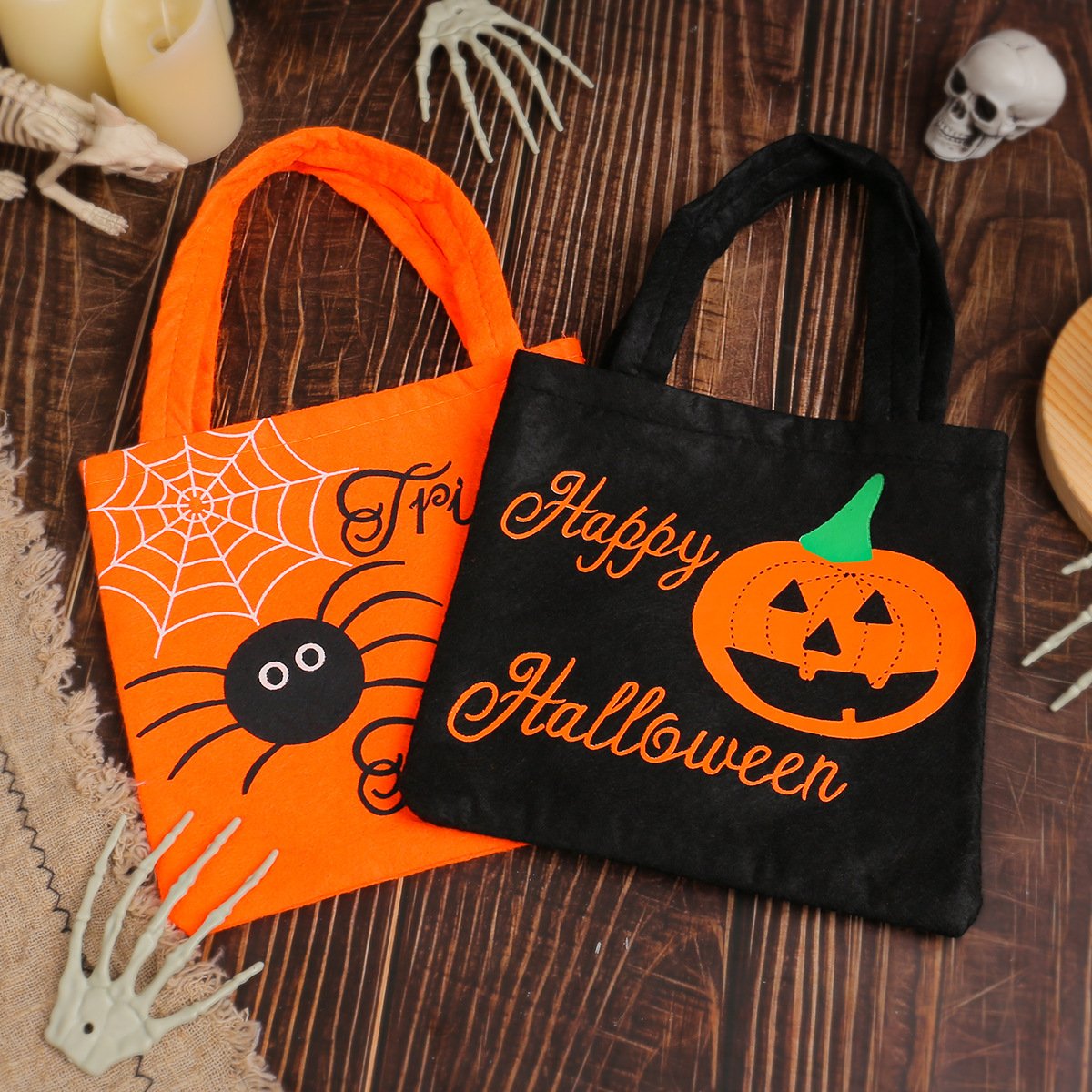
Halloween Pumpkin Non-Woven Tote Bag for Kids, Trick-or-Treat Candy…
Why choose it: A verified product-page option selected for its relevance to this guide (match score 30/100).
Best for: children and family Halloween activities
Key features to review: Holiday Gifts
View Halloween Pumpkin Non-Woven Tote Bag for Kids, Trick-or-Treat Candy… and verify current details
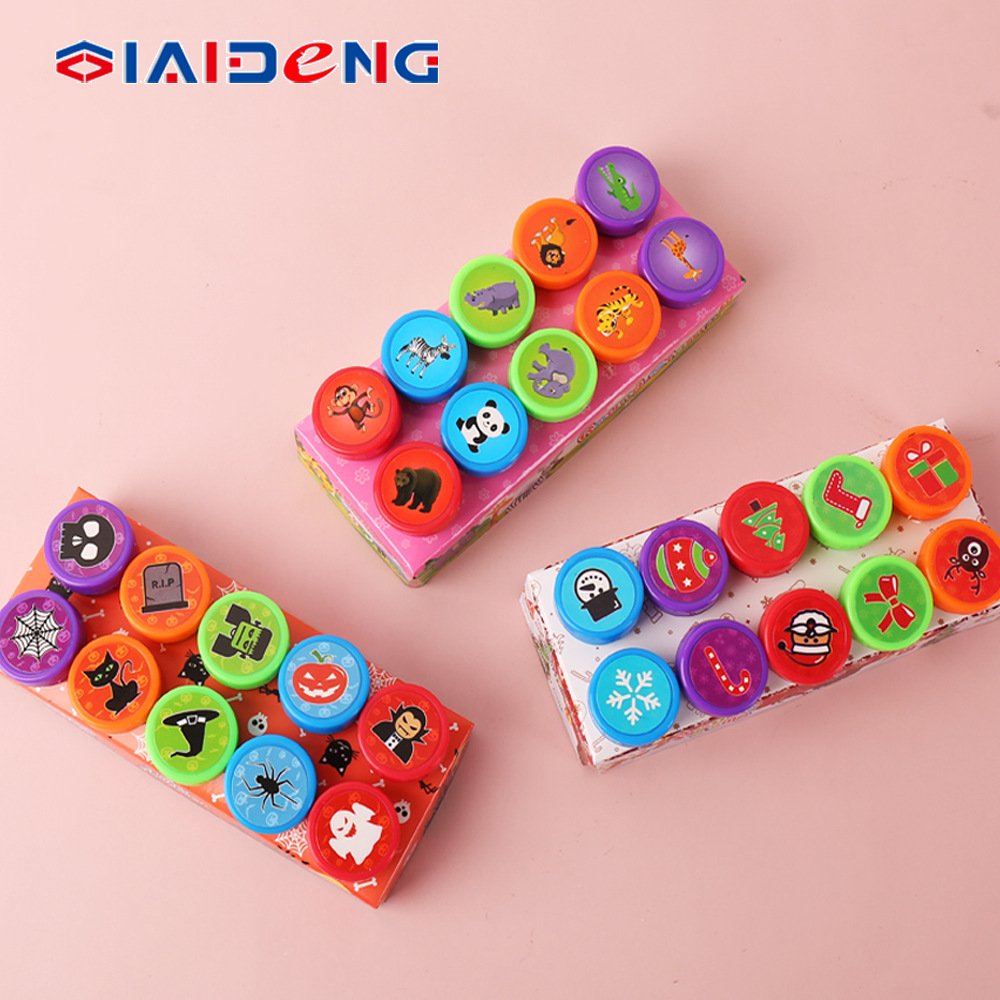
10-Pack Halloween & Christmas Cartoon Round Stamps Set with 5-Color…
Why choose it: A verified product-page option selected for its relevance to this guide (match score 30/100).
Best for: children and family Halloween activities
Key features to review: Holiday Gifts
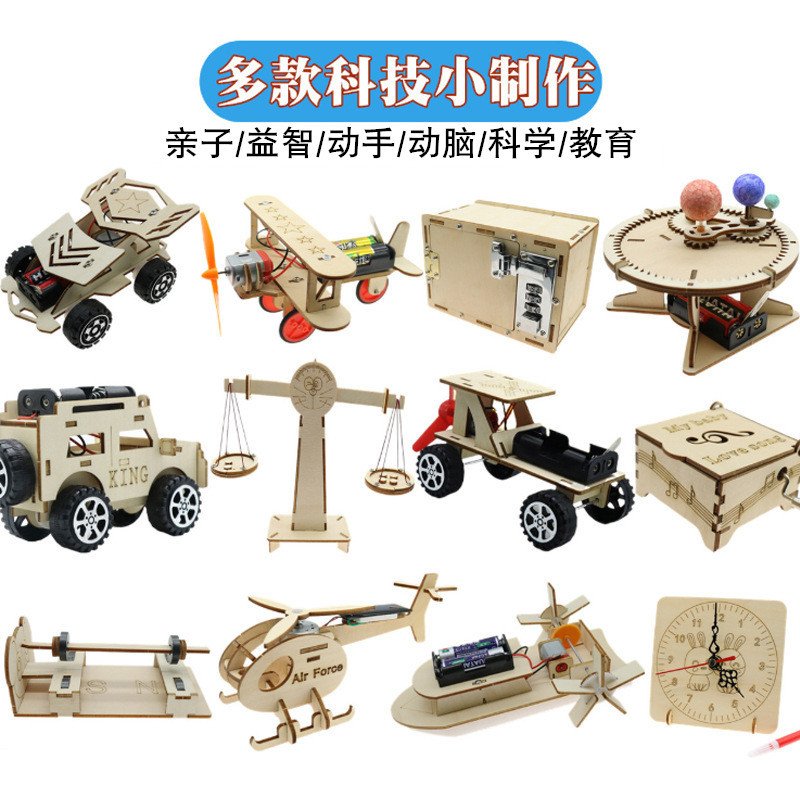
Kids Science Experiment Kit – DIY STEM Building Set for Elementary…
Why choose it: A verified product-page option selected for its relevance to this guide (match score 26/100).
Best for: children and family Halloween activities
Key features to review: Children's Gifts
View Kids Science Experiment Kit – DIY STEM Building Set for Elementary… and verify current details
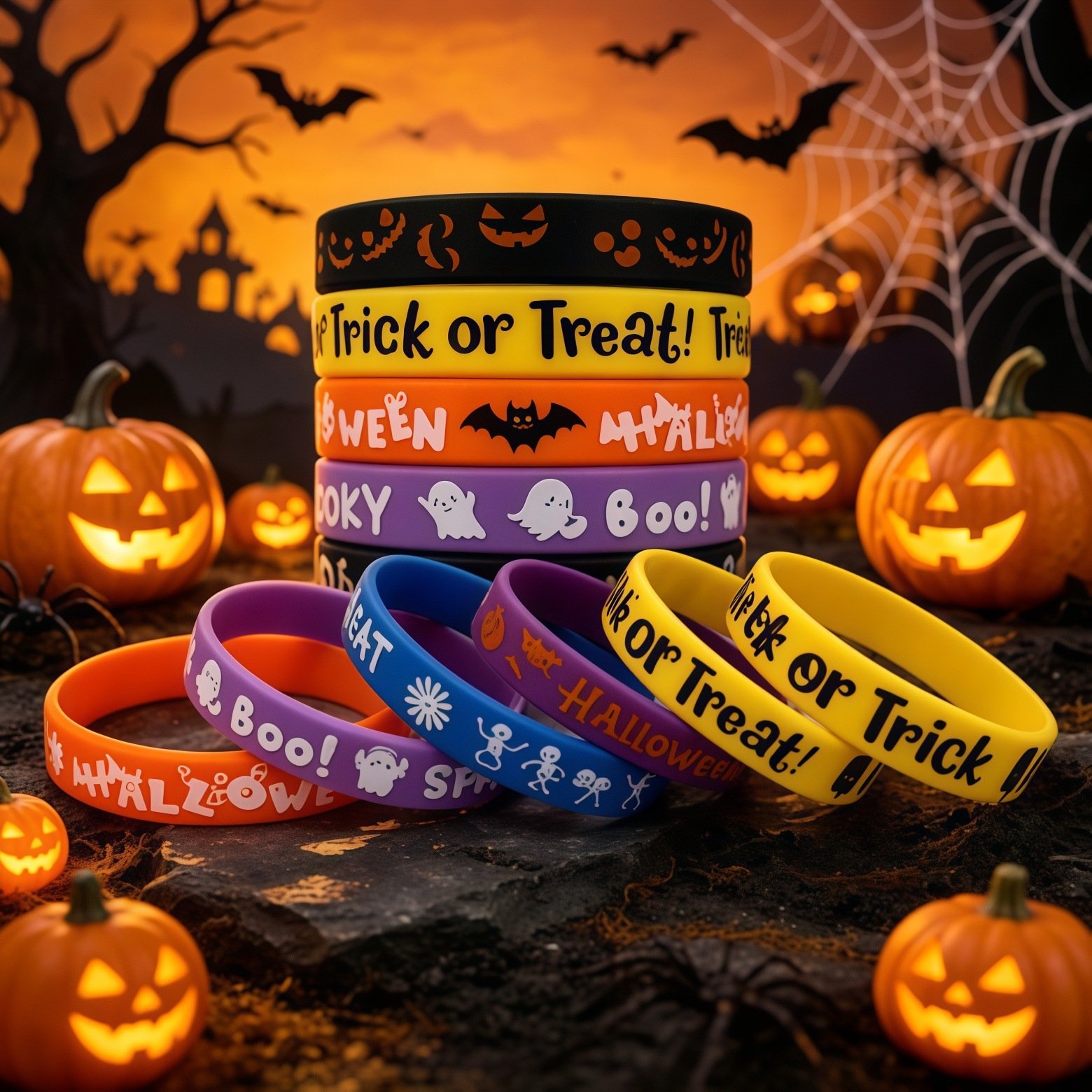
Bestselling Halloween Trick or Treat Silicone Bracelets for Kids &…
Why choose it: A verified product-page option selected for its relevance to this guide (match score 24/100).
Best for: children and family Halloween activities
Key features to review: Holiday Gifts
Frequently Asked Questions
How do I choose birthday gifts for kids?
Start with the recipient, intended use, product details, and the seller's current availability.
What should I compare before buying birthday gifts for kids?
Compare suitability, product specifications, availability, and the details shown on each verified product page.
Are birthday gifts for kids good gifts?
They can be a thoughtful choice when the product matches the recipient's interests, age, and occasion.