
Unlocking Curiosity: Your Comprehensive Guide to DIY Science Gift Ideas
In a world brimming with digital distractions, fostering a love for discovery and hands-on learning is more important than ever. Children’s Gifts that encourage exploration and experimentation can ignite a lifelong passion for knowledge. DIY science gifts offer a unique blend of fun, education, and engagement, allowing young minds to not just observe, but actively participate in the wonders of the scientific world. These gifts aren’t just toys; they are gateways to understanding how the world works, built brick by brick, experiment by experiment, by the budding scientists themselves.
Choosing the perfect DIY science gift can feel like navigating a complex laboratory of options. From chemistry concoctions to engineering challenges, the variety is immense. This comprehensive buying guide is designed to illuminate your path, helping you select a gift that perfectly matches the recipient’s curiosity, age, and interests. We’ll delve into what makes a great DIY science gift, key selection criteria, and how to ensure your chosen item provides both enjoyment and genuine educational value, without making assumptions about product specifics like safety or age suitability.
Why Choose DIY Science Gifts for Young Explorers?
DIY science gifts stand out in the realm of educational play for several compelling reasons. They offer a tangible, interactive experience that goes beyond rote memorization, transforming abstract concepts into exciting, hands-on adventures. Here’s why these gifts are an excellent choice:
- Fosters Critical Thinking and Problem-Solving: Unlike passive toys, DIY science kits often present challenges that require observation, hypothesis formation, and experimentation. Children learn to think critically, analyze results, and adapt their approaches, developing invaluable problem-solving skills.
- Ignites Curiosity and a Love for Learning: The magic of making a volcano erupt, building a simple circuit, or watching crystals grow is unparalleled. These experiences spark a natural curiosity, encouraging children to ask “why?” and “how?”, thereby nurturing a genuine desire for knowledge.
- Encourages Hands-On Engagement: In an increasingly digital world, DIY science gifts provide a crucial opportunity for tactile interaction. This hands-on approach helps children develop fine motor skills, coordination, and a deeper understanding of physical processes.
- Introduces STEM Concepts Early: STEM (Science, Technology, Engineering, and Mathematics) education is foundational for future success. DIY science gifts introduce core STEM principles in an accessible and exciting way, building a strong foundation for more advanced learning. For example, a Science Experiment Kit for Kids – STEM Gift for Curious Kids is specifically designed to engage young minds with these critical areas.
- Promotes Patience and Perseverance: Some experiments require multiple steps or repeated attempts to achieve the desired outcome. This process teaches children patience, perseverance, and the understanding that not every experiment yields immediate results, which are valuable life lessons.
- Offers Memorable Experiences: The excitement of a successful experiment or the satisfaction of creating something functional with their own hands creates lasting memories and a sense of accomplishment. These shared experiences can also be wonderful opportunities for family bonding.
Exploring the Diverse World of DIY Science Gifts
The landscape of DIY science gifts is vast, encompassing a multitude of scientific disciplines and project types. Understanding the general categories can help you narrow down your search:
Chemistry and Physics Kits
These kits often involve mixing substances to observe reactions, understanding principles of motion, light, or sound. They can include activities like growing crystals, creating fizzing potions, building simple motors, or exploring circuits. They are fantastic for demonstrating cause and effect and introducing the basic elements that make up our physical world.
Biology and Nature Kits
Focusing on the living world, these gifts might involve growing plants, setting up mini ecosystems, examining specimens under a microscope, or exploring human anatomy models. They encourage an appreciation for nature and life sciences.
Engineering and Robotics Kits
These kits challenge children to build structures, machines, or even basic robots, teaching principles of design, construction, and mechanics. They often require following instructions carefully but also encourage creative problem-solving and modification. The act of assembling components, even for something as seemingly simple as a craft, can introduce foundational engineering concepts. For instance, a Wholesale Cartoon Kids Educational DIY EVA Foam Sticker Watch Craft Kit, while primarily a craft, still involves following steps, assembling parts, and understanding how components fit together to create a functional (albeit decorative) item. This type of activity can be a gentle introduction to design and construction, paving the way for more complex engineering challenges.
For more ideas on engaging children with constructive and creative activities, you might find our guide Best Wholesale Cartoon Gifts for Kids: A Buying Guide helpful.
Paleontology and Geology Kits
These often involve excavation of dinosaur fossils, gemstone digging, or learning about rock formations. They combine historical discovery with hands-on geological exploration.
General STEM Exploration Kits
Many kits, such as the Science Experiment Kit for Kids – STEM Gift for Curious Kids, offer a broad range of experiments touching upon various scientific disciplines. These are ideal for children who are curious about everything and haven’t yet specialized their interests. They provide a taste of different scientific fields, allowing children to discover what excites them most.
Selecting the Perfect DIY Science Gift: A Comprehensive Buying Guide
To ensure your DIY science gift is a hit, consider the following practical selection criteria. Remember, specific details for each product, such as recommended age or contents, must be verified directly on its product page.
1. Age Appropriateness and Developmental Stage
This is arguably the most crucial factor. A kit that is too simple will bore an older child, while one that is too complex can lead to frustration for a younger one. Always check the manufacturer’s recommended age range on the product page. Consider the child’s developmental stage – their attention span, fine motor skills, ability to follow multi-step instructions, and need for adult supervision. For example, a detailed chemistry set might be suitable for an older, more patient child, while a simple “build-your-own” craft kit like the Wholesale Cartoon Kids Educational DIY EVA Foam Sticker Watch Craft Kit might be perfect for younger children developing basic assembly skills.
2. Type of Science and Child’s Interests
Does the child love dinosaurs, outer space, or mixing colorful liquids? Tailor the gift to their existing interests. A child fascinated by explosions might enjoy a chemistry kit (while always verifying safety precautions and adult supervision requirements on the product page), while an aspiring engineer might prefer a robotics or construction kit. If you’re unsure, a general STEM kit, such as a Science Experiment Kit for Kids – STEM Gift for Curious Kids, offering a variety of experiments, can be an excellent starting point to discover their scientific leanings.
3. Project Complexity and Required Supervision
Some DIY science kits are designed for independent play, while others require significant adult involvement. Evaluate the complexity of the experiments or projects. For younger children or those new to science kits, opt for simpler activities with clear, step-by-step instructions. For more advanced kits, be prepared for or ensure a willing adult is available to provide guidance and supervision. Always check the product description for details regarding required adult supervision.
4. Components, Materials, and Inclusions
What comes in the box? Are all necessary materials included, or will you need to supply common household items? For science experiments, confirm if any potentially sensitive materials are included and if they require special handling. For craft-based DIY gifts like the EVA Foam Sticker Watch Craft Kit, check the types of materials (e.g., EVA foam, stickers) and tools included or needed. Transparency about components helps manage expectations and ensures you have everything ready for immediate enjoyment. Verify these details directly on the product’s individual page.
5. Educational Value and Learning Objectives
A good DIY science gift isn’t just about fun; it’s about learning. Look for kits that clearly state their educational objectives or the scientific principles they teach. Does the kit explain the “why” behind the experiments? Does it encourage deeper understanding rather than just following instructions? The best kits often include informative guides or explanations that connect the hands-on activity to broader scientific concepts.
6. Reusability and Open-Ended Play
Consider whether the kit offers one-time experiments or if components can be reused for further exploration or creative projects. Kits that allow for open-ended play, where children can design their own experiments or build multiple variations, offer greater long-term value and sustained engagement. While some kits are designed for specific outcomes, others inspire ongoing creativity, much like a general craft kit can be re-imagined by different children.
7. Safety Information and Verification
When dealing with science experiments, safety is paramount. *It is crucial to thoroughly read the product description and any included safety warnings or guidelines on the product page before purchase.* Check if there are specific recommendations for protective gear (e.g., safety goggles) or if certain experiments require a well-ventilated area. Never assume a product is safe, non-toxic, or age-approved; always verify all safety and suitability information directly on the individual product’s detailed page. Pay close attention to any disclaimers or instructions regarding handling materials, especially for chemistry or physics kits. For products like the Science Experiment Kit for Kids – STEM Gift for Curious Kids, this due diligence is particularly important.
Comparing DIY Science Gift Options: Key Criteria
Once you have a few potential DIY science gift ideas in mind, use these criteria to compare them side-by-side and make an informed decision:
1. Scope and Variety of Experiments/Projects
Does the kit offer a single, in-depth project or a series of smaller, varied experiments? A kit with a broader range of activities, like many general STEM kits, might appeal to a child with diverse interests, providing weeks of engagement. Conversely, a kit focused on one specific, complex project could be ideal for a child with a deep interest in that particular area.
2. Clarity and Quality of Instructions
Well-written, clear, and easy-to-follow instructions are vital for a positive experience. Look for product descriptions that mention comprehensive guides, illustrative diagrams, or even video tutorials. Poor instructions can lead to frustration and diminish the educational value of the gift. The instructions should be accessible to the child’s reading level (if they are meant to read them) or clear enough for an adult to easily guide them.
3. Required Adult Supervision Level
Some kits are designed for minimal adult supervision, while others explicitly require a parent or guardian to be present and actively involved. Determine how much time and involvement you or another adult can commit. This factor is especially important for younger children or experiments involving any potentially sensitive materials, as indicated on the product page.
4. Thematic Focus and Specific Learning Objectives
Does the kit focus on a specific scientific theme (e.g., electricity, biology, simple machines) or offer a general introduction? A focused kit might offer deeper learning in one area, while a general kit, such as a Science Experiment Kit for Kids – STEM Gift for Curious Kids, can provide a broader overview. Consider whether the kit’s learning objectives align with what you hope the child will gain from the experience.
5. Materials and Durability for Continued Use
While we cannot guarantee durability, you can often infer potential longevity from the types of materials mentioned in the product description. For components meant for repeated use, consider if they appear robust enough to withstand multiple experiments. For craft items like the EVA Foam Sticker Watch Craft Kit, consider how the finished product will hold up as a decorative item. Always verify material specifics on the product page.
6. Packaging and Presentation
While not directly tied to educational value, attractive and well-organized packaging can enhance the gifting experience and make it easier to store components. A well-designed box can also contribute to the perception of a quality gift.
Conclusion: Sparking Joy and Discovery with DIY Science Gifts
DIY science gifts offer a powerful way to merge play with profound learning. By empowering children to experiment, build, and discover, these gifts cultivate essential skills like critical thinking, problem-solving, and perseverance, all while fostering an enduring fascination with the world around them. Whether it’s the thrill of a chemistry reaction or the satisfaction of assembling a craft that introduces basic design principles, a well-chosen DIY science gift is an investment in a child’s intellectual growth and boundless curiosity.
Remember to meticulously check each product’s description for specific details regarding age recommendations, contents, required adult supervision, and any safety guidelines before making a purchase. This due diligence ensures that the DIY science gift you choose is not only exciting and educational but also perfectly suited for the recipient.
Ready to Ignite Their Scientific Spark?
Explore our selection of engaging DIY science gift ideas today. Dive into the detailed product pages to find the perfect kit that will inspire curiosity, encourage hands-on learning, and provide hours of educational fun for the young scientist in your life. Shop our DIY Science Gift collection now to start their adventure in discovery!
Recommended Products
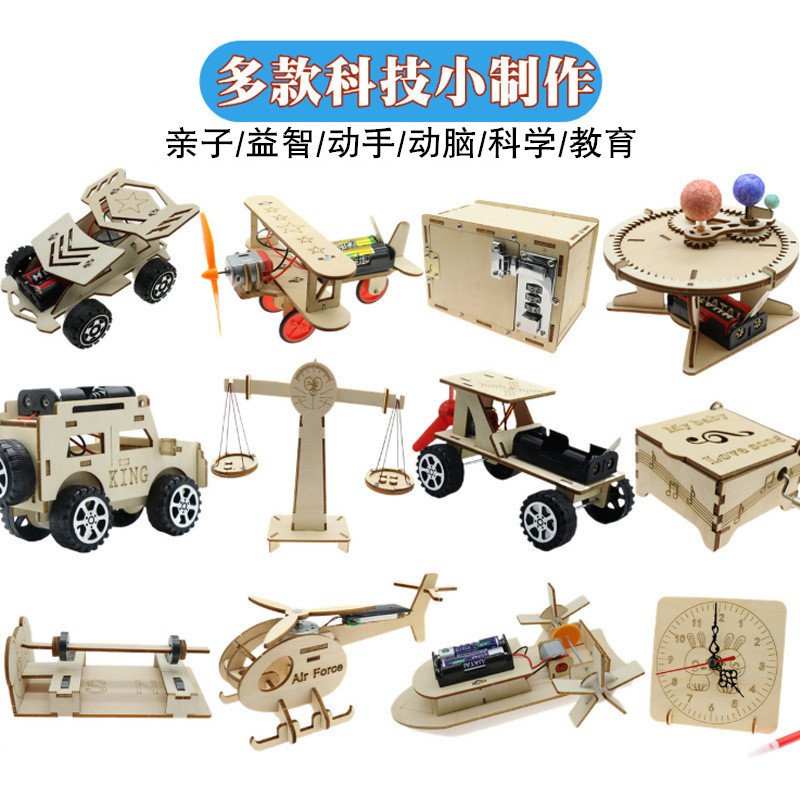
Science Experiment Kit for Kids – STEM Gift for Curious Kids
Why choose it: A verified product-page option selected for its relevance to this guide (match score 88/100).
Key features to review: STEM Gifts
View Science Experiment Kit for Kids – STEM Gift for Curious Kids and verify current details
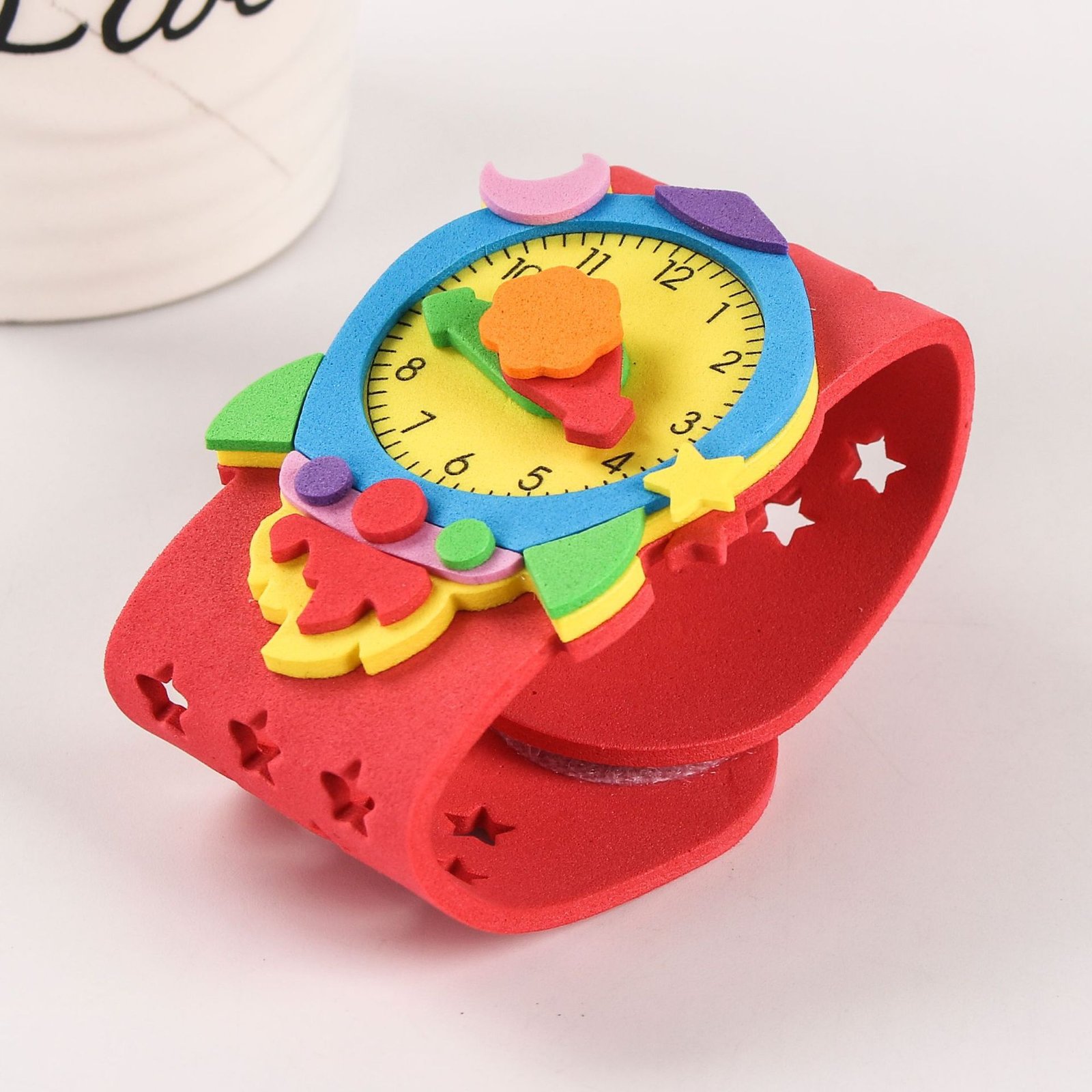
Wholesale Cartoon Kids Educational DIY EVA Foam Sticker Watch Craft Kit
Why choose it: A verified product-page option selected for its relevance to this guide (match score 85/100).
Key features to review: DIY Craft Gifts
Frequently Asked Questions
How do I choose diy science gift ideas?
Start with the recipient, intended use, product details, and the seller's current availability.
What should I compare before buying diy science gift ideas?
Compare suitability, product specifications, availability, and the details shown on each verified product page.
Are diy science gift ideas good gifts?
They can be a thoughtful choice when the product matches the recipient's interests, age, and occasion.