
There’s a unique joy in witnessing a child’s eyes light up with understanding as they unravel a scientific mystery. Science experiment gifts offer more than just momentary entertainment; they ignite curiosity, foster critical thinking, and lay the groundwork for a lifelong love of learning. As a popular choice within the Children’s Gifts category, these kits are powerful tools for engaging young minds with the wonders of the world around them.
Choosing the perfect science experiment gift, however, can feel like an experiment in itself. With countless options available, how do you ensure your selection will truly inspire and educate? This comprehensive buying guide is designed to equip you with the knowledge and criteria needed to make an informed decision, ensuring your gift sparks genuine discovery. For a broader look at inspiring options, you might also find our article on Science Experiment Gift Ideas: Your Guide to Inspiring Discovery particularly helpful.
What Makes a Great Science Experiment Gift for Kids?
A truly exceptional science experiment gift transcends mere novelty, offering a rich and rewarding experience. It’s about providing the right balance of engagement and education, tailored to foster genuine interest in scientific principles.
Engagement Factor
The most effective science kits are those that actively draw children in. They should feature hands-on activities that are captivating and immediately interesting, encouraging kids to dive into the learning process. This isn’t about passive observation; it’s about doing, creating, and discovering through active participation.
Educational Value
Beyond entertainment, a great science gift clearly conveys scientific concepts. It should explain the ‘why’ and ‘how’ behind the experiments, turning curious observations into foundational understanding. Look for kits that introduce age-appropriate principles in a clear and accessible manner, expanding a child’s knowledge base.
Hands-On Experience
Children learn best by doing. Science experiment gifts that provide ample opportunities for hands-on interaction allow kids to manipulate materials, observe results directly, and form conclusions based on their own experiences. This tactile and experiential learning cements concepts more effectively than simply reading about them.
Replayability and Open-Ended Play
The best gifts often offer extended play value. Kits with multiple experiments, variations, or components that can be reused in different ways encourage sustained engagement. Open-ended play, where children can explore beyond the instructions and devise their own investigations, further enhances creativity and problem-solving skills.
Key Considerations for Selecting a Science Experiment Gift
Navigating the diverse world of science experiment gifts requires a thoughtful approach. By considering these practical criteria, you can confidently choose a gift that aligns with a child’s potential and your gifting goals.
Age Appropriateness
This is perhaps the most critical factor. An experiment too simple will bore, while one too complex can frustrate. Age guidelines often reflect safety considerations, dexterity requirements, and the cognitive level needed to grasp the concepts. Always verify the specific age recommendations provided on the individual product page to ensure the kit is suitable for the intended recipient. If you’re specifically looking for ideas for a certain age, our Buyer’s Guide to Science Kits for 7-Year-Olds offers tailored advice.
Type of Science
Science is a vast field, encompassing chemistry, physics, biology, geology, engineering, and more. Consider the child’s existing interests. Are they fascinated by chemical reactions, building structures, observing nature, or understanding how things work? Opt for a kit that delves into a branch of science that genuinely captivates them. For instance, a Science Experiment Kit for Kids – STEM Gift for Curious Kids could offer a broad introduction to STEM principles, while a dedicated chemistry set might focus on reactions.
Safety and Supervision
When dealing with scientific experiments, responsible adult supervision is often essential. Before purchasing, carefully review the product page for information regarding the materials included and any specific supervision requirements. While we cannot make claims about product safety here, it is imperative to verify all material composition and recommended adult involvement on the product listing to ensure a responsible and enjoyable experience.
Scope and Contents
Thoroughly examine what comes in the box. Does the kit include all necessary components, instructions, and specialized tools? Just as importantly, check for a list of household items that may be required but are not included, such as common pantry staples or measuring cups. A complete understanding of the kit’s contents, available on the product description, prevents disappointment and ensures you can begin experimenting right away.
Learning Outcomes
While fun is a primary goal, consider what specific skills or knowledge the kit aims to impart. Does it teach about density, gravity, circuits, or plant growth? Understanding the educational objectives helps you select a gift that supports a child’s development and intellectual curiosity. The product page should offer insights into what a child can expect to learn from engaging with the experiments.
Exploring Different Categories of Science Experiment Gifts
The world of science kits is rich and varied, offering tailored experiences for every young explorer. Understanding these categories can help narrow down your search for the ideal gift.
Chemistry Kits
These classic kits introduce children to the exciting world of chemical reactions. Kids can often perform experiments involving color changes, fizzing concoctions, crystal growth, or even making their own slime. Such kits are excellent for demonstrating fundamental principles of matter and change. A general Science Experiment Kit for Kids – STEM Gift for Curious Kids might include a range of chemistry-focused activities, so it’s worth reviewing its specific contents for detailed information.
Physics and Engineering Kits
These sets focus on the principles of motion, forces, energy, and construction. They often involve building simple machines, creating circuits, or exploring concepts like gravity and aerodynamics. These kits are perfect for children who enjoy hands-on construction and understanding how things physically work.
Biology and Nature Kits
For the budding naturalist, biology and nature kits offer opportunities to explore the living world. This could include growing plants, creating mini ecosystems, observing insects, or learning about the human body. These gifts connect children with environmental science and life cycles.
STEM Craft Kits
Some gifts creatively blend scientific principles with artistic or craft activities, offering a unique approach to STEM learning. These “science craft” kits encourage children to apply basic engineering, design, or mechanical principles in a hands-on, creative context. For younger children, a gift like the Kids Wooden Weaving Loom Toy DIY Handcrafted Assembly Science Craft Kit for Kindergarten serves as an excellent example. While appearing as a craft, its “DIY Handcrafted Assembly” and “Science Craft Kit” designation implies it introduces fundamental concepts of structure, tension, and pattern, which are foundational aspects of engineering and design science. These kits can provide an engaging introduction to how systems work through assembly and creative output.
Understanding Product Information: What to Verify on the Product Page
To ensure a satisfying and appropriate purchase, it’s crucial to empower yourself by checking specific details directly on the product’s dedicated page. This proactive verification process is key to a confident buying decision.
Specific Age Guidelines
Do not rely solely on general assumptions. Every science kit is designed with specific developmental stages in mind. Always consult the detailed product description for the precise age recommendations provided by the manufacturer. This ensures the activities are both engaging and comprehensible for the child.
Material Composition
Understanding what materials are included in the kit is important for various reasons. The product page should provide details on the components used. Review this information to make an informed decision based on your personal preferences or any specific requirements you may have.
Inclusion of Safety Equipment
For many science experiments, especially those involving reactions or small parts, supplementary safety gear might be advisable. Check the product listing to see if items like protective eyewear or gloves are included in the kit, or if they are recommended for purchase separately. This information helps you prepare adequately for experimentation.
Required Adult Supervision Level
The level of adult involvement can vary greatly from one kit to another. Some experiments require active adult participation for setup or execution, while others might only need general oversight. Always verify the recommended supervision level on the product page to ensure it matches the availability and comfort level of the supervising adult.
Complete Contents List and Additional Requirements
A comprehensive list of everything contained within the box, along with any external items that the user will need to supply (e.g., water, common household ingredients, batteries), is critical. This information, found on the product page, helps prevent frustration and ensures you have everything ready for an uninterrupted science session.
Reviews and Customer Feedback
While not supplied here, examining customer reviews and feedback on the product page can offer valuable insights into real-world experiences. Look for comments on ease of use, educational effectiveness, and overall child engagement to further inform your choice.
Comparison Criteria for Making Your Final Choice
Once you’ve explored the options and understood the details to verify, these comparison criteria will help you weigh your choices and select the ultimate science experiment gift.
Learning Objectives
Compare the specific scientific principles each kit aims to teach. Consider which aligns best with the child’s current learning stage and what subjects they show the most natural curiosity about. A kit focused on a topic of existing interest is more likely to capture and hold their attention.
Engagement Duration
Evaluate whether you’re looking for a quick, impactful experiment or a longer-term project. Some kits offer several short activities, while others might involve a single, ongoing experiment, such as growing a plant over several weeks. Match the kit’s scope to the child’s attention span and your desired involvement.
Complexity Level
Assess the complexity of the experiments. Is it a beginner-friendly kit designed to introduce basic concepts, or a more advanced set for a child with some scientific background? Ensuring the complexity matches the child’s skill level is crucial for both enjoyment and successful learning.
Supervision Needs
Think about the amount of adult supervision each potential kit requires. If time for direct involvement is limited, a kit designed for more independent exploration might be preferable. Conversely, if you enjoy participating in activities, a kit requiring more adult guidance could be a wonderful bonding opportunity.
Value Proposition
Beyond the initial cost, consider the overall value. Does the kit offer multiple experiments, reusable components, or opportunities for open-ended play that extend its usefulness? A kit that provides lasting educational engagement often represents a better overall investment in a child’s development.
Conclusion
Selecting the best science experiment gift for a child is an opportunity to ignite their imagination and cultivate a lifelong passion for discovery. By focusing on engagement, educational value, and careful verification of product details, you can confidently choose a gift that inspires wonder and fosters crucial STEM skills.
Ready to Inspire Discovery?
Browse our selection of educational gifts and find the perfect science experiment kit to spark curiosity today. Remember to visit the individual product pages to verify all details, from age recommendations and material composition to contents and supervision needs, ensuring you make an informed decision for your curious child.
[ARTICLE_BODY]
Recommended Products
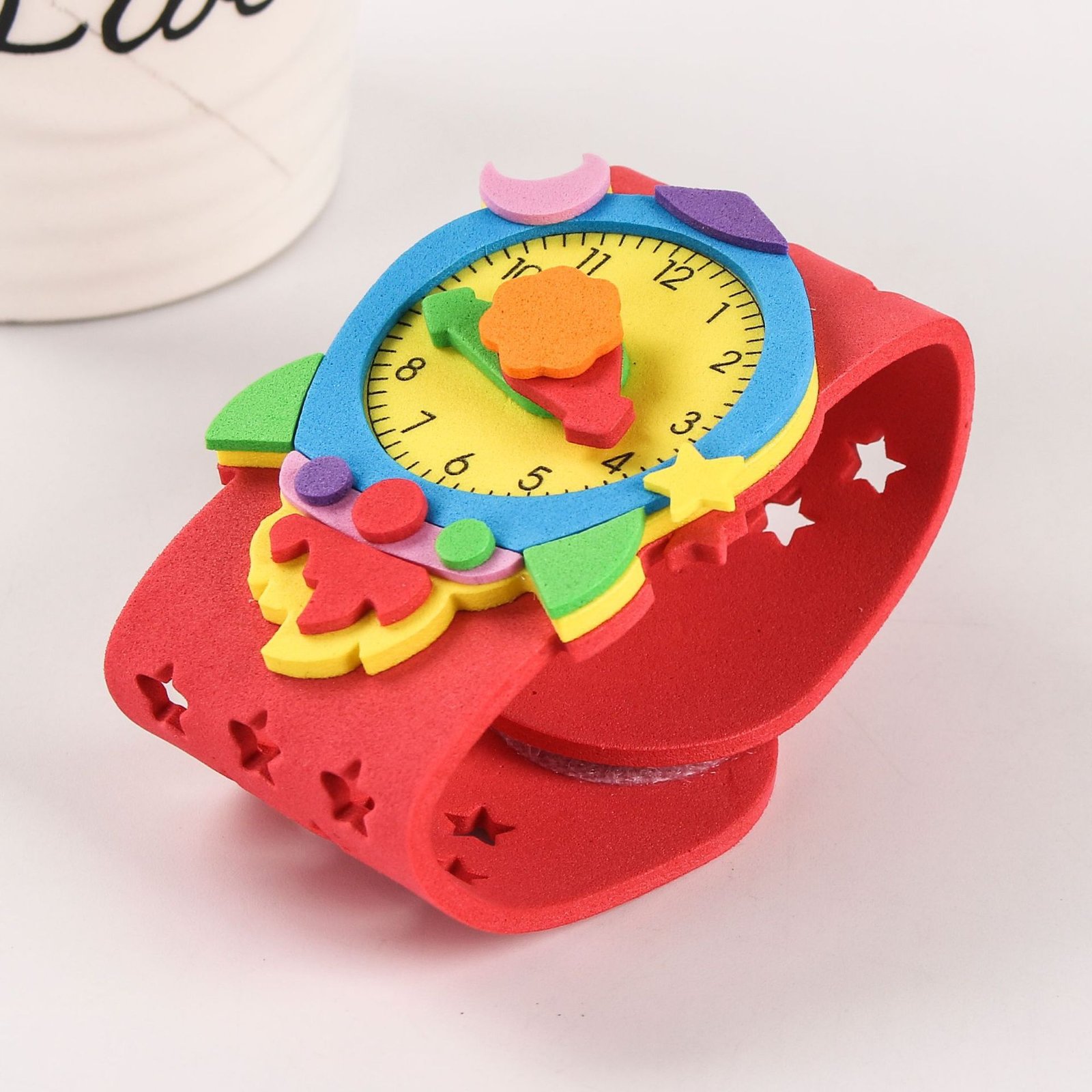
Wholesale Cartoon Kids Educational DIY EVA Foam Sticker Watch Craft Kit
Why choose it: A verified product-page option selected for its relevance to this guide (match score 100/100).
Key features to review: DIY Craft Gifts
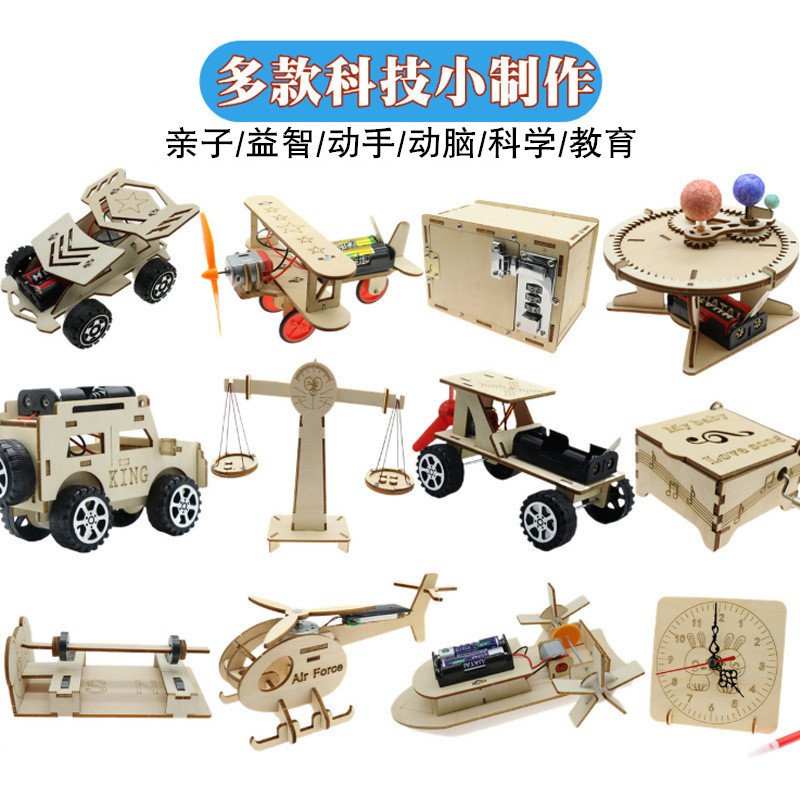
Science Experiment Kit for Kids – STEM Gift for Curious Kids
Why choose it: A verified product-page option selected for its relevance to this guide (match score 100/100).
Key features to review: STEM Gifts
View Science Experiment Kit for Kids – STEM Gift for Curious Kids and verify current details

DIY Chenille Stems Christmas Tree Craft Kit – Homemade Christmas…
Why choose it: A verified product-page option selected for its relevance to this guide (match score 82/100).
Key features to review: default
View DIY Chenille Stems Christmas Tree Craft Kit – Homemade Christmas… and verify current details
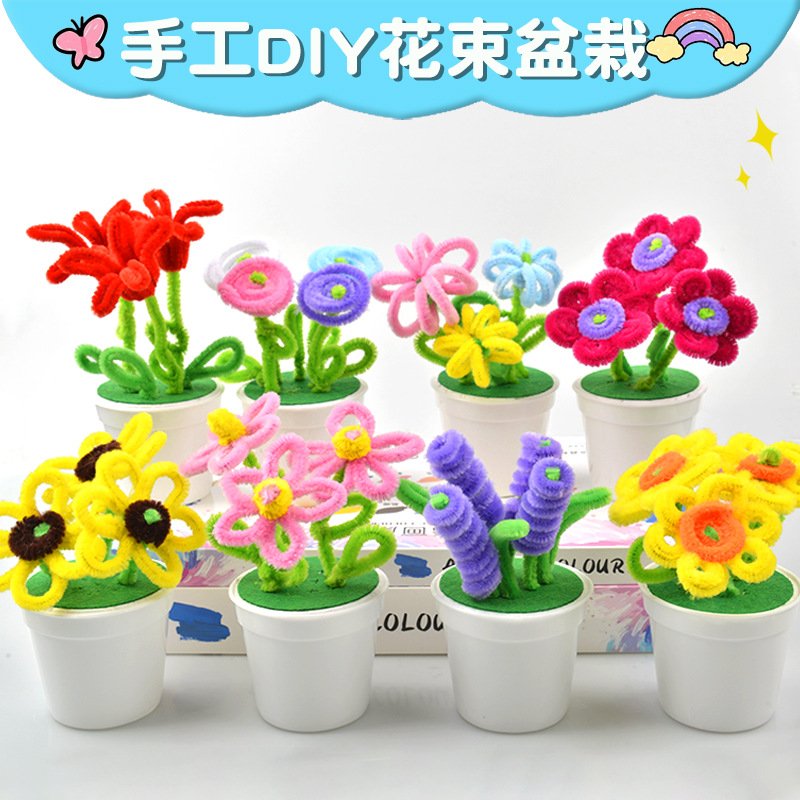
DIY Chenille Stems Flower Bouquet Craft Kit Pipe Cleaners Sunflower…
Why choose it: A verified product-page option selected for its relevance to this guide (match score 82/100).
Key features to review: default
View DIY Chenille Stems Flower Bouquet Craft Kit Pipe Cleaners Sunflower… and verify current details
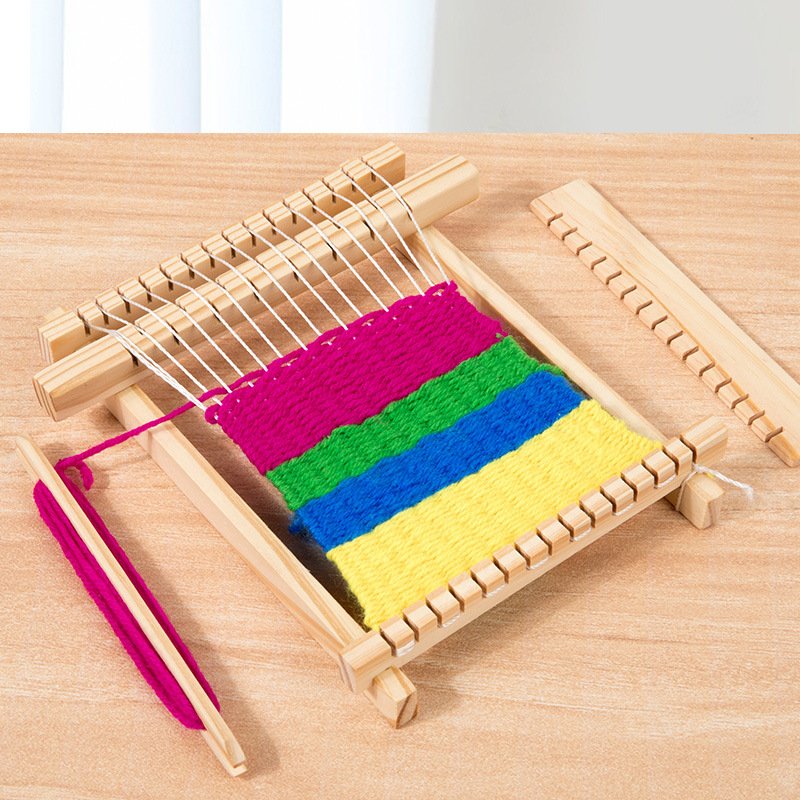
Kids Wooden Weaving Loom Toy DIY Handcrafted Assembly Science Craft Kit…
Why choose it: A verified product-page option selected for its relevance to this guide (match score 80/100).
Key features to review: default
Frequently Asked Questions
How do I choose best science experiment gifts for kids?
Start with the recipient, intended use, product details, and the seller's current availability.
What should I compare before buying best science experiment gifts for kids?
Compare suitability, product specifications, availability, and the details shown on each verified product page.
Are best science experiment gifts for kids good gifts?
They can be a thoughtful choice when the product matches the recipient's interests, age, and occasion.