
Unveiling the World of Discovery: A Buyer’s Guide to Science Experiment Gift Ideas
In a world often dominated by screens, a science experiment gift offers a refreshing alternative: active learning, curiosity, and wonder. More than just toys, these gifts are gateways to understanding the universe, fostering critical thinking, and sparking a lifelong passion for discovery. Whether for a budding young scientist or an adult who cherishes intellectual exploration, the right science experiment kit promises hours of engaging, educational fun. This comprehensive buying guide will help you navigate the exciting realm of science experiment gift ideas, ensuring your chosen present truly inspires. From fundamental physics to captivating chemical reactions and the mysteries of biology, these gifts provide hands-on experiences, making abstract concepts tangible. They encourage problem-solving and develop observation skills, leading to rewarding ‘aha!’ moments. Consider the potential for discovery and the joy of creation as you select your next gift.
The Enduring Appeal of Science Experiment Gifts
The enduring appeal of science experiment gifts lies in their unique ability to combine education with entertainment, transforming learning into an exciting adventure. Here’s why they remain a top choice for thoughtful givers:
- Fostering Curiosity and Inquiry: Science kits naturally prompt questions like “How does this work?” and “What if I try this?”, laying the foundation for scientific thought.
- Hands-On Learning and Engagement: Unlike textbook learning, experiments allow individuals to physically interact with scientific principles, leading to deeper understanding and retention.
- Developing Critical Thinking Skills: Following instructions, making observations, analyzing results, and drawing conclusions are all vital components of critical thinking, honed through experimentation.
- Encouraging STEM Skills: Many kits focus on Science, Technology, Engineering, and Mathematics (STEM), providing foundational knowledge and practical skills crucial for future innovators. An excellent example of this approach is a Science Experiment Kit for Kids – STEM Gift for Curious Kids, designed to engage young minds with these vital areas.
- Promoting Patience and Perseverance: Learning to follow steps carefully and troubleshoot when things don’t go as planned builds resilience.
- Fun for All Ages: While many kits are for children, the excitement of discovery knows no age limit. Advanced kits and unique scientific gadgets can make fantastic Adult Gifts, providing stimulating challenges for grown-ups.
Diverse Categories of Science Experiment Gifts
The world of science experiments is vast, offering gifts tailored to every interest and age group. Understanding the different categories can help narrow down your search:
Chemistry Kits: Unlocking the Secrets of Reactions
Chemistry kits often involve mixing substances to create colorful reactions, grow crystals, or even concoct slime. These kits are excellent for demonstrating chemical changes, states of matter, and the principles of atomic interactions.
Physics Kits: Exploring Forces, Motion, and Energy
Physics experiments delve into the physical world, covering topics like electricity, magnetism, gravity, light, and sound. Gifts in this category might include kits for building circuits, launching rockets, or understanding simple machines.
Biology and Nature Kits: Discovering Life and Ecosystems
These kits encourage an appreciation for the natural world and the living sciences. Examples include ant farms, terrarium building kits, microscope sets, or seed growing kits, offering insights into life cycles and ecosystems.
STEM-Focused Kits: Integrated Learning Experiences
Many modern science kits adopt a holistic STEM approach, blending elements of science, technology, engineering, and mathematics. These kits might involve coding simple robots, designing structures, or conducting multi-disciplinary experiments that touch on several STEM fields. The Science Experiment Kit for Kids is categorized as a STEM gift, highlighting its focus on these integrated learning areas.
Educational DIY Craft Kits with Scientific Principles
While not always direct ‘science experiments,’ certain educational DIY craft kits incorporate scientific or engineering principles. For example, a Wholesale Cartoon Kids Educational DIY EVA Foam Sticker Watch Craft Kit introduces basic concepts of mechanics and design through creative assembly. These kits foster creativity alongside fundamental technical understanding.
Choosing the Perfect Science Experiment Gift: A Comprehensive Buying Guide
Selecting the ideal science experiment gift requires careful consideration of several factors. By addressing these points, you can ensure your gift is both exciting and appropriate for its recipient.
Recipient’s Age and Developmental Stage
This is paramount for both engagement and safety. A kit too complex can lead to frustration, while one too simple may bore. Always verify the specific age suitability and any warnings directly on the product page before purchasing. For gifts for specific age groups, explore Ignite Curiosity: A Buyer’s Guide to Science Kits for 7-Year-Olds or the Best Science Kits for 7-Year-Olds: A Comprehensive Buying Guide.
Interests and Existing Knowledge
Consider what captivates the recipient. Are they fascinated by outer space, animals, chemistry, or how things are built? A gift aligned with their existing passions is more likely to be cherished and used.
Learning Style
Some individuals thrive with visual instructions, others prefer hands-on manipulation, and some benefit from auditory explanations. Consider which style best suits the recipient when evaluating a kit’s presentation and instruction method.
Experiment Type and Complexity
Consider whether you prefer a kit with a few extensive projects or one with many quick, diverse experiments. The complexity can also vary significantly, with some kits offering guided steps and others encouraging open-ended exploration.
Activity Level and Group Participation
Determine if the gift will be used for solo exploration or as a group activity. Some kits are designed for independent discovery, while others are fantastic collaborative projects, encouraging teamwork and shared learning.
Available Space and Supervision
Think about where experiments will take place, as some require minimal space while others might need a dedicated area. Also, consider the level of adult supervision required, as younger users often benefit from or need guidance.
Educational Value and Curriculum Alignment
For parents or educators, the educational alignment of a kit can be key. Does it reinforce school concepts or introduce new topics accessibly? Product descriptions should detail learning objectives.
Reusability and Longevity
Some kits are for single-use experiments, while others, particularly those with durable equipment, can be used repeatedly for different experiments or creative free play. Consider whether you prefer a one-time engaging experience or a lasting set of tools.
What to Verify on the Product Page: Essential Due Diligence
Because product specifications and safety information are dynamic and specific to each item, it is crucial to perform your own due diligence by reviewing the product page directly before making a purchase. Here’s what to look for:
- Specific Age Recommendations: Always refer to the detailed age guidance provided by the manufacturer or seller. For instance, while a Science Experiment Kit for Kids is designed for younger explorers, its precise age range will be stated on its dedicated product page.
- Safety Information and Warnings: Scrutinize all safety precautions, potential hazards, and recommended protective gear (e.g., safety goggles, gloves). Verify if these items are included or if they need to be purchased separately. Never assume a product is inherently ‘safe’; always check manufacturer’s instructions and warnings.
- Materials and Ingredients: Review the comprehensive list of materials and ingredients included in the kit. This is especially important for understanding potential allergies or ensuring compliance with personal preferences.
- Certifications: If specific certifications (e.g., environmental, safety standards) are a priority for you, look for explicit statements regarding these from the seller on the product detail page. Do not assume certifications unless clearly stated.
- Expected Outcomes and Learning Objectives: Understand what scientific concepts the kit aims to teach and what kind of experiments can be performed. Product descriptions should detail learning objectives.
- Durability of Components: Examine product images and descriptions for material quality. User reviews, if available, may offer insights into component longevity. Specific claims about durability must be verified on the product page.
- In-Stock Status: Product availability can change frequently. Always check the current stock status on the individual product page.
Comparison Criteria for Science Experiment Gifts
When comparing different science experiment gifts, these criteria can help you make an informed decision:
- Scope of Experiments: How many experiments does the kit offer? Are they varied, or do they focus on one specific area of science? A broader scope can offer more prolonged engagement.
- Inclusivity of Materials: Does the kit provide all necessary materials, or will you need to source additional household items? Kits that are more self-contained can be more convenient.
- Clarity and Quality of Instructions: Well-written, easy-to-follow instructions with clear illustrations are vital. Look for detailed guides or engaging educational content.
- Quality of Components: Examine the apparent quality of components like beakers, test tubes, or tools. A visually sturdy design can suggest a better experience, but specific claims about durability must be verified on the product page.
- Portability and Storage: If space is a concern or if the kit is intended for travel, consider its size and ease of storage.
- Educational Support: Does the kit simply provide steps, or does it explain the scientific principles behind each experiment? Educational support enhances the learning outcome.
- Value Proposition: Weigh the overall offering against its cost. Does it offer a good number of experiments, quality components, and strong educational content relative to its price?
Conclusion: Ignite a Spark of Scientific Wonder
Choosing a science experiment gift means offering more than just an item; it’s providing an experience, igniting a passion, and fostering a lifelong love of learning. By considering the recipient’s interests, age, and learning style, and by diligently verifying product details directly on the product page, you can confidently select a gift that promises discovery and delight. Whether for a curious child eager to explore STEM with a Science Experiment Kit for Kids, or for an adult enjoying hands-on learning, a science experiment gift is an investment in intellectual growth and endless fascination.
Ready to Uncover the Next Big Discovery?
Explore our extensive collection of STEM gifts and educational experiences today. Find the perfect science experiment gift to spark curiosity and creativity. Your next amazing discovery awaits!
Recommended Products
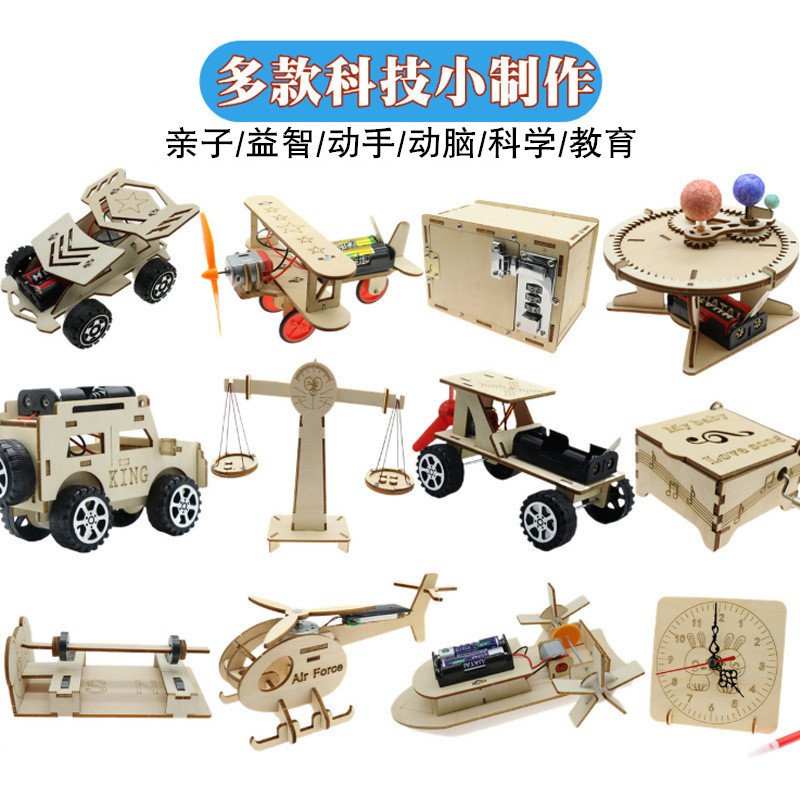
Science Experiment Kit for Kids – STEM Gift for Curious Kids
Why choose it: A verified product-page option selected for its relevance to this guide (match score 88/100).
Key features to review: STEM Gifts
View Science Experiment Kit for Kids – STEM Gift for Curious Kids and verify current details
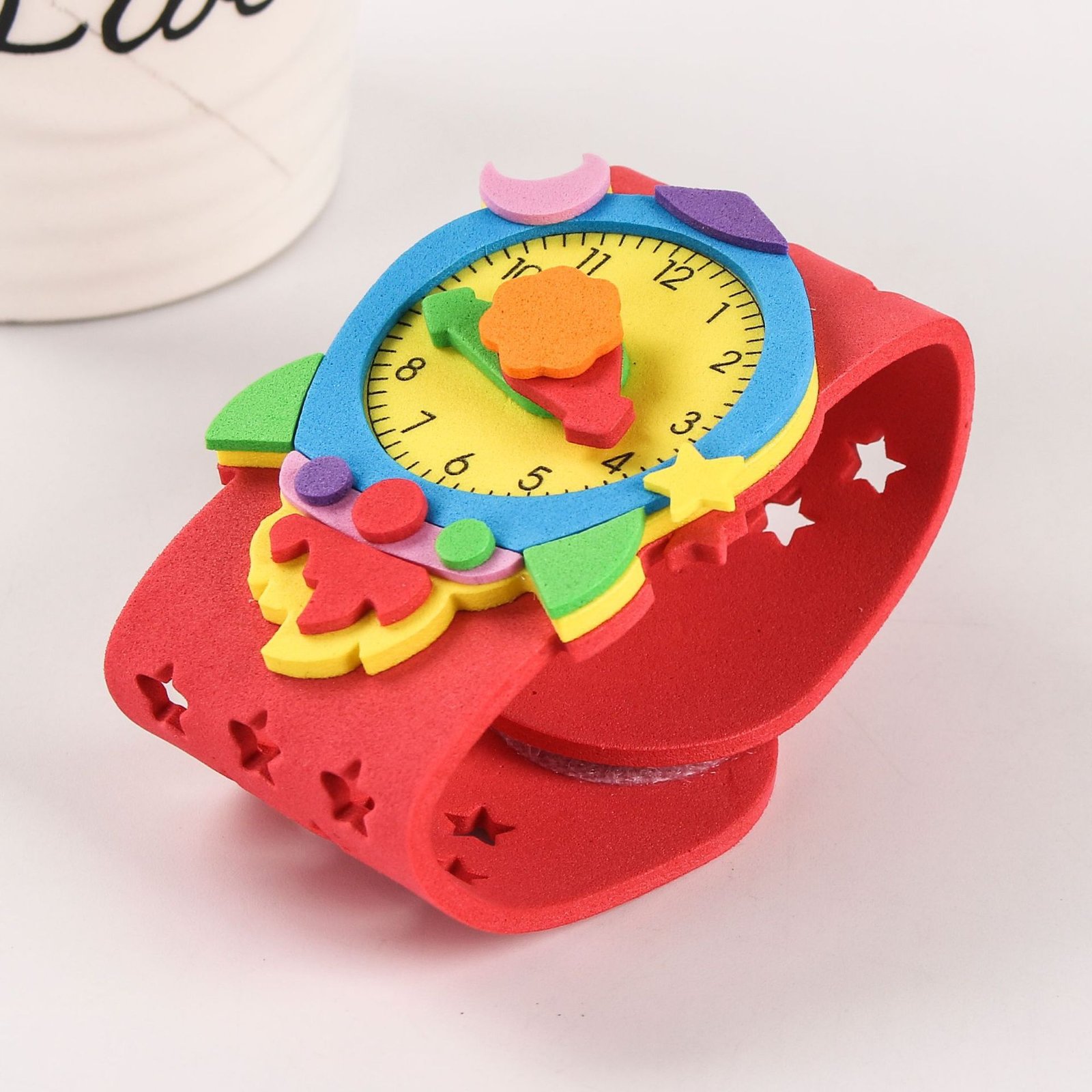
Wholesale Cartoon Kids Educational DIY EVA Foam Sticker Watch Craft Kit
Why choose it: A verified product-page option selected for its relevance to this guide (match score 85/100).
Key features to review: DIY Craft Gifts
Frequently Asked Questions
How do I choose science experiment gift ideas?
Start with the recipient, intended use, product details, and the seller's current availability.
What should I compare before buying science experiment gift ideas?
Compare suitability, product specifications, availability, and the details shown on each verified product page.
Are science experiment gift ideas good gifts?
They can be a thoughtful choice when the product matches the recipient's interests, age, and occasion.